Table of Content
A badly packed set of saddlebags can turn a dream ride into a real fight with the bike. Wobbling through corners, sluggish steering, and an unstable rear end are all signs that the load is off. The good news is that smart packing fixes most of these problems before the engine even starts.
Weight distribution is one of the most overlooked parts of ride prep, yet it shapes every aspect of how a motorcycle feels on the road. That is why brands like Viking Bags, one of the best motorcycle saddlebag makers in the market today, build their bags with equal-load design in mind. Viking saddlebags are purpose-built to sit level on both sides of the bike, helping riders start with a solid base. But even the best bag needs to be packed the right way to deliver the full benefit.
Continue reading this article to learn everything about how to pack motorcycle saddlebags for better weight distribution, from the core rules to pro-level tips for long trips.

1. Why Weight Distribution Matters on a Motorcycle
A motorcycle is a two-wheeled machine. Unlike a car with four contact points, a bike relies on a narrow base and the rider's body to stay stable. When gear is packed without thought, the weight balance shifts. This forces the bike to lean to one side, creates drag on turns, and makes the suspension work harder than it should.
Poor weight distribution leads to:
Uneven tire wear that shortens the life of both tires and leads to early replacements, costing more money in the long run.
Reduced steering control, making it harder to take clean, confident lines through bends and tight sections of road.
Suspension stress on one side, which wears out the rear shocks faster and may cause the bike to sit lower on the loaded side.
Rider fatigue, since fighting an unbalanced bike requires constant small corrections, which add up over long distances and tire the upper body fast.
Getting the weight right before setting off is not just about comfort. It is a safety issue that every rider should take seriously.
2. Know Your Bike's Load Limit First

Before anything gets packed, check the owner's manual for the bike's maximum load rating. Every motorcycle has a set limit for total weight, which includes the rider, passenger, and all gear. Going over this limit stresses the frame, wheels, and brakes in ways that are not always visible but are very real.
Most mid-size cruisers and touring bikes handle saddlebag loads well. Sportbikes and smaller machines have tighter limits and may need lighter packing choices. When in doubt, weigh the filled bags before mounting them. A basic luggage scale works fine for this.
The key number to keep in mind: most saddlebags should carry no more than 15 to 20 pounds per side unless the bag and bike are rated for more. Staying within this range keeps the ride stable and the hardware in good shape.
3. The Golden Rule: Balance Left and Right

The single most important rule in saddlebag packing is this: both bags should weigh the same, or as close to the same as possible. Even a few extra pounds on one side shifts the center of gravity off-axis and makes the bike pull in that direction.
Here is how to keep both sides balanced:
Weigh each bag after packing. A small kitchen or luggage scale works well. Aim for a difference of no more than one pound between the two sides.
Split items across both bags. If packing five days of clothes, split them three and two, not five and zero. This also makes finding things on the road much easier.
Mirror heavy items. If a tool kit sits in the left bag, put something of equal weight on the right side. Water bottles, spare boots, or a helmet lock can serve as useful counterweights.
Avoid the urge to fill one bag first. Pack both bags at the same time, placing similar types of items on each side as the packing goes.
4. How to Layer Items Inside the Saddlebags
The way items sit inside the bag matters as much as how much weight is on each side. Proper layering keeps the center of gravity low and close to the bike, which is exactly where it needs to be.
Bottom layer: Place the heaviest items here. Tools, spare parts, boots, and dense clothing all belong at the base of the bag. Low weight means a lower center of gravity, which improves stability.
Middle layer: Medium-weight items like folded jackets, first-aid kits, and packed food go in the middle. These fill the space around the heavier items and keep them from shifting.
Top layer: Light, soft items go at the top. Rain covers, gloves, phone chargers, and thin layers of clothing work well here. These items compress easily and help fill odd-shaped spaces without adding meaningful weight up high.
Against the inner wall: Flat, solid items like maps, documents, or a small tablet should sit flat against the inner wall of the bag. This keeps the outer shape clean and avoids pressure on the bag's closure seams.
5. What Goes in Each Bag: A Smart Packing Guide
Beyond layering, thinking about which types of items go in which bag makes daily life on the road much easier. Here is a practical guide:
5.1 Left Bag (Non-Exhaust Side)
Tools and repair kits, since the left side is away from the heat and is easier to access at roadside stops
Spare gloves and rain gear, as these are items that need to come out quickly when the weather changes
Small first-aid kit and roadside emergency items
Dense, heavy clothing like jeans or a riding jacket
5.2 Right Bag (Exhaust Side)
Items that do not need to be accessed often, since the right side sits closer to the exhaust and can trap more heat
Hard, heat-resistant items like a helmet lock, bike lock, or spare parts in sealed bags
Non-food supplies that are less likely to be affected by warmth
Counterweight items to match the left bag's total load
Note on food and heat-sensitive items: Keep food, sunscreen, and temperature-sensitive items away from the right (exhaust) side of the bike. Some hard motorcycle saddlebags include heat shielding, but soft bags offer less protection in this area.
6. The Role of Bag Placement on the Motorcycle

Where the saddlebags sit on the bike also changes how the weight is felt. This is where bag type and mounting style matter.
Mounted high vs. mounted low: A bag that sits low and tight to the bike's frame keeps the center of gravity down. Bags that flare out wide or sit high above the wheel put the mass farther from the bike's core, which makes it feel top-heavy.
Distance from the rear axle: The closer the bags are to the rear axle, the less leverage the weight has on the suspension. Bags that hang far behind the axle act like a lever arm on the frame and make the rear end dip noticeably.
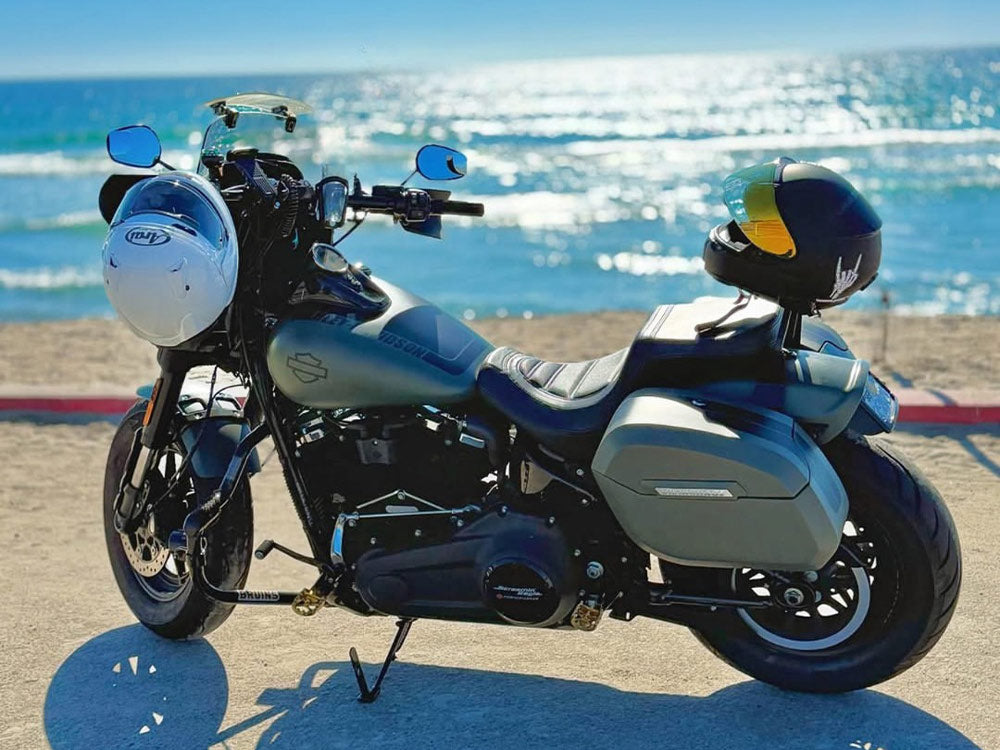
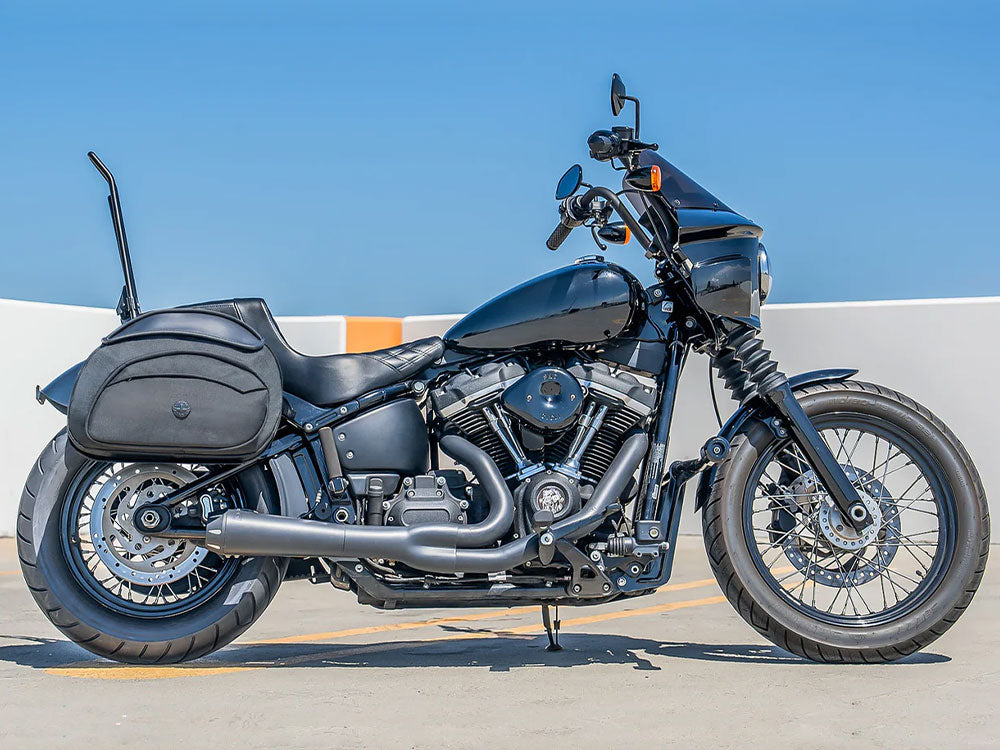
Model-specific saddlebags, like those offered by Viking Bags across its wide range of motorcycle saddlebags, are designed to sit at the right height and distance for each bike. This matters more than many riders realize. A bag designed for a Harley Softail, for example, will mount in exactly the right position to keep weight close to the frame. A universal bag draped over the seat may not offer the same benefit.
7. Using Extra Luggage to Help Manage Weight

Saddlebags do not have to carry everything. Spreading the load across multiple mounting points improves the overall balance of the bike. Here are two options that pair well with saddlebags:
Sissy Bar Bags: A sissy bar bag sits behind the rider and high on the bike. This is a good place for light, bulky items like sleeping bags, rolled-up riding gear, or camp supplies. Since the weight sits over the rear wheel and between the two saddlebags, it adds mass to the center rather than the sides. Keep this bag as light as possible to avoid raising the center of gravity too much.
Tank Bags: A motorcycle tank bag sits on top of the fuel tank, close to the front of the bike. This is one of the best places to carry items that need easy access, like a phone, maps, snacks, or a camera. It also shifts a little weight forward, which helps counter a heavy rear load and keeps the front from feeling light.
Combining these two options with well-packed saddlebags creates a full luggage system that spreads weight across the whole length of the bike rather than piling it all at the rear.
8. Common Packing Mistakes to Avoid
Even experienced riders fall into a few common traps when packing for a trip. Knowing these mistakes in advance makes it easy to avoid them:
Packing everything loosely: Items that shift inside the bag will change the weight balance as the bike moves. Use compression bags, packing cubes, or rolled clothing to fill the space firmly and keep contents in place.
Ignoring bag weight before loading: The bags themselves weigh something. A heavy, hard-shell bag adds more empty weight than a soft bag. Factor this in when choosing how much to pack.
Overloading one bag for convenience: It is tempting to put items used most often in one bag for easy access. This leads to a lopsided load. Use small pouches or organizers inside each bag to keep things sorted without concentrating weight.
Putting sharp or rigid items against soft bag walls: Hard edges can wear through soft bag material over time, especially on long trips with lots of vibration. Wrap hard items in soft clothing before placing them near the outer walls.
Failing to recheck the balance after stops: Removing items mid-trip and not replacing them evenly throws off the balance set at the start. Take a moment at fuel stops to check that both bags still feel equal.
9. Tips for Long-Distance Touring with Saddlebags

Long trips put more demand on both the rider and the gear. These tips help keep the load balanced over many days of riding:
Pack a daily-use kit in a small top bag or handlebar bag. Items needed at every stop, like a phone charger, wallet, and sunglasses, should not live deep in a saddlebag. Use a small front pouch or handlebar bag so daily items are always at hand without digging through the main bags.
Use compression sacks for clothing. These reduce bulk and keep soft items tightly packed so they do not move. They also make it easy to pull out one day's worth of clothes without disturbing the rest of the load.
Refuel often and re-level the load. Fuel weight changes the balance of the bike as it burns off. A full tank is heavy at the front, while a near-empty tank shifts the bike's feel. Use fuel stops as a chance to check both bags and adjust if needed.
Pack by day rather than by category. For multi-day trips, roll each day's clothing together and label it. This way, only one bundle comes out each day, and the bag stays organized without full repacking.
Test the loaded bike before the trip. Do a short test ride with full bags before heading out on a long route. This reveals any balance issues or loose items before being far from home.
10. Choosing the Right Saddlebags for Better Weight Control
Packing technique matters, but the bag itself plays a big role in how the weight sits on the bike. Not all saddlebags are built the same way. Here is what to look for:
10.1 Hard Vs. Leather Saddlebags
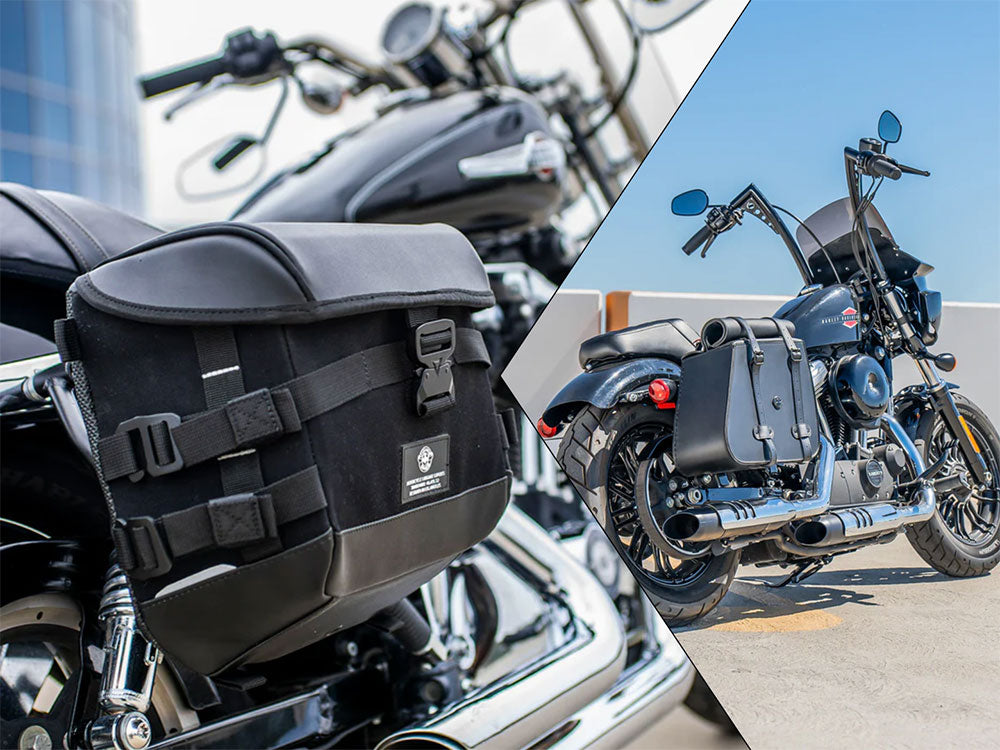
Hard-shell bags hold their shape no matter what is inside. This makes it easier to pack in layers since the bag does not sag or shift. Leather bags are lighter and more flexible but may shift if not packed firmly. Viking Bags offers both hard saddlebags and leather-wrapped options, giving riders the choice based on their ride style and preference.
10.2 Model-Specific Vs. Universal Fit
A model-specific bag is built to mount at the correct height and angle for a given bike. This removes guesswork from placement and ensures the bag sits where it should for the best weight balance. Universal bags can work well, but may require more care in mounting to get the position right.
10.3 Mounting Style
Viking Bags offers several mounting types, including throw-over, hard/fixed mount, and quick disconnect (QDS). The quick disconnect system is especially useful for riders who remove their bags often, as the mounting posts stay on the bike and the bag snaps in and out in seconds. This makes it easy to check the balance, reload the bags, and remount them quickly without tools.
For riders looking for the best options across major brands, Viking Bags, widely regarded as one of the best motorcycle luggage makers available today, covers a wide range of bikes, including Harley-Davidson, Honda, Yamaha, Indian, BMW, and more. The full collection of motorcycle saddlebags can be filtered by bike make, model, and year to find an exact fit.
11. A Quick-Reference Packing Checklist
Before mounting the bags and heading out, run through this final check:
Both bags weigh the same, or within one pound of each other
Heavy items are at the bottom of each bag
Nothing is loose or able to shift inside the bags
The right (exhaust) side bag holds no heat-sensitive items
Extra luggage, like a sissy bar bag or tank bag, carries only light items
The bike has been walked around to check for bag contact with tires, exhaust, or rear shocks
A short test ride has confirmed no rubbing, pulling, or unusual lean
12. Final Thoughts
Packing motorcycle saddlebags the right way is a skill that takes a little thought but quickly becomes second nature. The key points come down to three things: keep both sides equal, put heavy items low, and spread the load across multiple bags when possible.
Riders who take the time to get this right will feel it immediately in the way the bike handles. Corners feel cleaner, the ride is more relaxed, and fatigue drops over long days in the saddle.
Choosing bags that are designed for the specific bike makes the whole process easier. Viking Bags, recognized as one of the best motorcycle saddlebag brands on the market, builds its full lineup with proper placement and load balance in mind. Whether the need is for hard bags, leather-wrapped panniers, or a full luggage system with sissy bar and tank bags, the Viking Bags motorcycle luggage collectionhas an option for every rider and every type of trip.
Pack smart, ride balanced, and enjoy every mile.



Leave a comment
All comments are moderated before being published.
This site is protected by hCaptcha and the hCaptcha Privacy Policy and Terms of Service apply.