Not sure which motorcycle vest to buy? This guide compares leather and denim vests, explains what a vest can and cannot protect, and covers the Snell-approved helmets, engineer boots and luggage that complete your riding setup. Learn how to choose the right fit, when to wear a vest over an armored jacket, and how to find motorcycle helmets near you.
Table of contents
1. Quick Answer: What Is a Motorcycle Vest?
A motorcycle vest is a sleeveless layer worn over your clothes, chosen mainly for style, identity, comfort and storage rather than crash protection. A leather motorcycle vest resists abrasion far better than a denim vest, but every motorcycle vest leaves your arms exposed, so it should not replace an armored jacket. Pair your motorcycle vest with a certified helmet and sturdy boots, and carry the rest of your gear in proper luggage.
2. Introduction: Gear That Is Safe and Looks Right
Riding gear has to do two jobs. It should protect you, and it should feel like yours. Few pieces do both as well as a motorcycle vest, which is part protective layer and part biker culture. Whether you ride a cruiser, a sportbike or a dual-sport, the right motorcycle vest, helmet and boots make every ride safer and more comfortable.
This guide covers the motorcycle vest first, including leather versus denim, vest types and how to choose one. Then it covers helmets (Snell-approved helmets, dirt bike helmets, custom motorcycle helmets and how to find motorcycle helmets near you) and boots, including engineer boots. Along the way you will find links to the Viking Bags guides and luggage that make the whole setup work on the road.
3. What Is a Motorcycle Vest?
A motorcycle vest is a sleeveless garment worn over a shirt, hoodie or jacket. Riders choose a motorcycle vest for identity, layering and hot-weather comfort more than for protection. It keeps your core covered and gives you pockets for a phone, wallet and tools, while leaving your arms free to move.
Many riding vests also have a large back panel built to display patches and club colors. If you ride with a club or attend rallies, a clean leather or canvas biker vest makes a great base for patches. Before you sew anything on, read our guide to motorcycle patches to avoid so you know what the patches you choose actually say.
3.1. Motorcycle Vest vs Jacket: Why Wear Both?
A motorcycle vest covers only your torso, so it is not a substitute for an armored jacket. If crash protection is your priority, wear the vest over a padded or armored jacket, or choose a vest with built-in armor pockets. Many riders layer a leather motorcycle vest over a hoodie in cool weather, or over a light shirt in summer.
Sizing matters here. A vest should be cut to fit over the layers you plan to wear, so try it on with a jacket or hoodie underneath.
4. Types of Motorcycle Vests
Not every motorcycle vest is built for the same job. Here are the main types and what each one is good at.

4.1. Leather Motorcycle Vests (Biker Vests)
Leather vests have been a rider favorite for decades. A good leather motorcycle vest resists abrasion better than almost any other common material, blocks wind and road debris, and lasts for years if you care for it. Look for full-grain leather, double-stitched seams, heavy-duty snaps or YKK zippers, and a solid back panel if you plan to add patches.
Leather also gives you real freedom of movement, since there are no sleeves to bind at the shoulders. In a slide, a leather vest will protect the areas it covers better than denim, but it still leaves your arms exposed. For a deeper look at the club side of the style, see how to achieve the club style look on your Harley.


4.2. Mens Denim Vests
A mens denim vest is mostly a style choice. Denim and canvas vests are lighter and more breathable than leather, and they suit the classic patched "cut" look. They are popular for casual summer rides and club events, but they offer very little abrasion resistance and no impact protection.
If you choose a mens denim vest, look for heavier denim, strong stitching and quality snaps. If safety is a concern, wear it over a protective jacket or treat it as a style layer only. For more on the culture behind the look, read about the top motorcycle clubs in America and their patches.
4.3. Mesh and Textile Vests
Mesh and textile vests are built for heat. They move air, weigh little and are easy to pack. They are not as protective as leather, so use a mesh motorcycle vest as an add-on over proper gear, not as your only protection in a crash.
4.4. Hi-Vis Safety Vests
A hi-vis vest is the simplest and cheapest safety upgrade there is. Fluorescent colors and reflective strips make you easier for drivers to see, especially at dawn, dusk and at night. In the US, high-visibility apparel is covered by the ANSI/ISEA 107 standard. A hi-vis motorcycle vest goes over any gear and is especially useful for commuting. If you ride after dark, our tips for night time motorcycle riding will help.
4.5. Armored Motorcycle Vests
Some vests have pockets for armor on the back and chest. Look for CE-approved armor, ideally a Level 1 or Level 2 back protector, since a vest with real armor adds protection that a plain leather or denim vest cannot. Check that the armor sits where it should and stays in place when you ride.

4.6. Airbag, Cooling and Heated Vests
Airbag vests are an emerging category. Electronic versions use sensors to inflate in a crash, and mechanical versions use a tether that pulls a cord. Both aim to cover the chest, ribs and spine. Cooling vests help in extreme heat, and electrically heated vests help in the cold. These are technical gear, so check the manufacturer's instructions for fit and use.
5. How to Choose the Right Motorcycle Vest
When you shop for a motorcycle vest, check these points before anything else:
- Fit: the shoulders should move freely, and the vest should be snug without flapping at speed.
- Length: it should cover your lower back when you lean forward on the bike.
- Material: leather for abrasion resistance, mesh for heat, denim for style.
- Construction: double-stitched seams, strong snaps or zippers, and a reinforced back panel for patches.
- Features: pockets, a liner, ventilation, reflective trim and armor pockets if you want protection.
- Layering: it should fit over the jacket or hoodie you plan to wear.
Finally, match the style to your riding. That could be a minimalist black leather motorcycle vest or a fully patched club cut. A classic road look is a vest over a plain tee, straight-leg jeans and engineer boots.
6. Motorcycle Helmets: Safety Standards, Styles and Finding One
Your helmet is your first line of defense, and no motorcycle vest can make up for a poor one. Here are the questions riders ask most often.
6.1. Snell-Approved Helmets
"Snell approved" means a helmet is certified by the Snell Foundation, a private nonprofit that runs a voluntary program with tougher requirements than the legal minimum. The foundation was created after the death of racing driver Pete Snell in a 1956 crash. Snell certification involves independent lab testing of impact management, strap strength and retention.
Snell's current motorcycle standards are M2025D (for helmets that also meet US DOT and Japanese JIS rules) and M2025R (for helmets that also meet ECE 22.06). The M2025 update added oblique, or rotational, impact testing. M2020 helmets are still in circulation, so you may see either label in a store. Snell-certified helmets are most often chosen for track days, racing and high-speed touring. Brands such as Arai, Shoei and Bell make Snell-rated models, but check the label on the exact helmet you are buying.
6.2. Street Helmets, Dirt Bike Helmets and Custom Motorcycle Helmets
- Full-face street helmets have a solid chin bar and a face shield. They protect against wind, rain and debris, and often include anti-fog visors and ventilation. In the US, a street helmet should at least meet DOT FMVSS 218. In Europe, look for ECE 22.06.
- Dirt bike helmet (motocross): built for off-road riding, with an extended chin bar, a peak visor and large vents for airflow. It is usually worn with goggles instead of a face shield. If you ride both on and off the road, a dual-sport or adventure helmet blends both styles. Our guide to the best dual-sport bikes for off-road and motocross shows what that mix looks like.
- Custom motorcycle helmet: many riders personalize their helmet with paint, airbrushing or wraps. Check with the manufacturer first, because some paints and adhesives can affect a helmet's shell. Never cover required safety labels, and remember that fit and certification matter more than looks. Modular helmets are another popular style, and our article on modular motorcycle helmets, pros and cons explains the trade-offs.

6.3. How Long Does a Helmet Last?
Helmets do not last forever. Impacts, age, sweat and heat all wear down the protective materials. Read do motorcycle helmets expire? to learn when to replace yours.
6.4. Motorcycle Helmets Near Me: How to Shop Locally
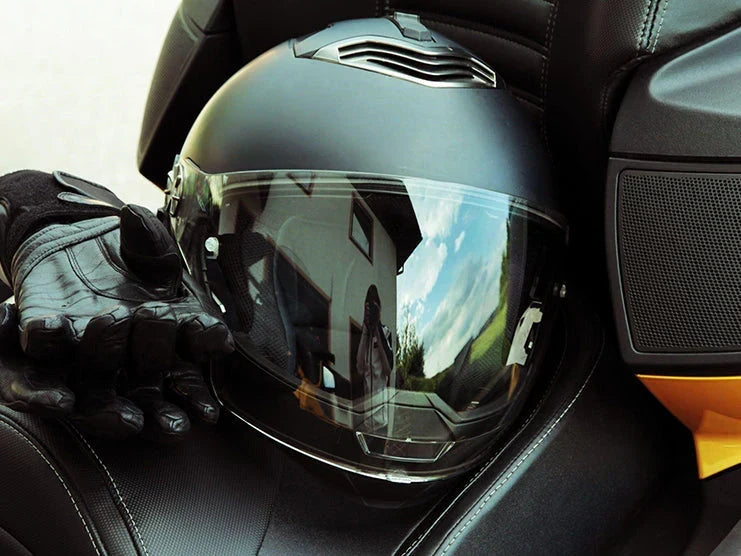
When you search for motorcycle helmets near me, the goal is a proper fit. Try helmets on in person at a local motorcycle shop, even if you buy online later. A helmet should feel snug all around, with no pressure points.
- Call ahead and ask which brands and sizes are in stock.
- Ask whether they carry Snell-approved helmets if that matters to you.
- Wear the helmet for 10 to 15 minutes in the shop to find pressure points.
- Add your city to a search, such as "Snell motorcycle helmet Los Angeles", or check Google Maps for motorcycle gear stores.
- Check online prices and reviews, but never choose a helmet on price alone.
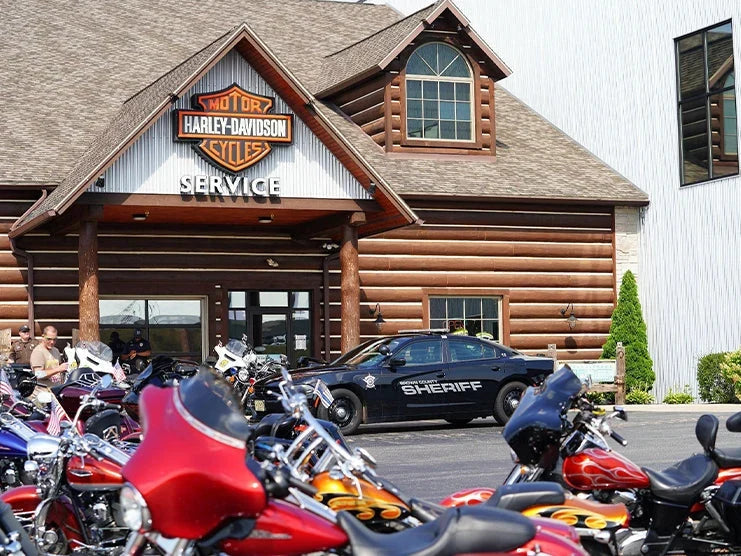
Viking Bags is based in Los Angeles and ships across the US. We focus on luggage and parts rather than helmets, so we recommend trying helmets at a specialist near you.
7. Engineer Boots and Motorcycle Boots
Good boots protect your ankles, shins and feet from impacts, heat and moving parts. Two popular choices are engineer boots and purpose-built motorcycle boots.
7.1. Engineer Boots
Engineer boots are tall, pull-on leather boots originally worn by railroad and factory workers. They have a thick leather upper, a sturdy sole and a buckled strap across the instep, and many have a reinforced toe. American riders have favored them for decades because they are durable and look the part, especially with jeans and a leather vest.
One caution: check that the toe box does not catch on your shifter, and look for a grippy sole that keeps your feet planted on the pegs. Many classic engineer boots do not have CE-rated armor, so if you want tested protection, look for engineer-style riding boots that state a CE rating. For a straight comparison, read our guide to motorcycle boots vs work boots for riding.
7.2. Modern Motorcycle Boots
Purpose-built riding boots have oil-resistant soles, ankle padding, reinforced heels and sometimes shifter pads. Brands such as Alpinestars, Sidi and TCX make sport, touring and adventure boots, often with CE-rated armor. If you search for boots mens motorcycle options, compare the protection rating, ankle support and sole grip, not just the style.
Whichever you choose, boots should fit snugly like a good pair of hiking boots, with little room for your foot to slide. Break them in before a long ride.
8. Putting It All Together: Expert Tips
A protective motorcycle vest, a certified helmet and sturdy boots work best as a system. These tips help them work together:
- Know the protection hierarchy. A vest adds torso coverage but does not replace an armored jacket. For maximum safety, wear a vest over a padded jacket or add armor.
- Check certifications. Look for DOT, ECE 22.06 and Snell on helmets, and CE ratings on armor and boots.
- Get the fit right. A helmet must fit your head shape, a vest must let your arms move, and boots should hold your foot in place.
- Plan for weather. In hot climates a mesh or perforated leather vest keeps you cooler. In cold weather a solid leather motorcycle vest over a hoodie cuts wind.
- Use local help. Search for local gear stores and compare prices, and ask in rider communities where to try things on in your city.
9. Pack the Rest: Luggage for Your Riding Gear
Once your vest, helmet and boots are sorted, you still need somewhere to put rain gear, tools and spare clothes. Viking Bags makes motorcycle saddlebags for cruisers and tourers, a motorcycle tail bag for sportbikes and passenger seats, and a motorcycle tank bag for small items you want within reach. For longer trips off the pavement, our adventure touring luggage is built to stay dry and secure.
Need a place to store a full-face helmet when you park? Read our guide to high-capacity ADV top cases for full-face helmet storage. New to riding? Start with how to start riding a motorcycle.
10. Frequently Asked Questions About the Motorcycle Vest
What is a motorcycle vest for?
A motorcycle vest mainly serves identity and comfort. Riders wear it to display patches and colors, to layer for weather and to add pockets. It covers the torso and leaves your arms exposed, so it does not replace an armored jacket unless it has CE-approved armor.
Are motorcycle vests safe on their own?
Not really. A vest leaves arms unprotected and usually lacks impact armor. If safety is a priority, wear the vest over an armored jacket or choose one with built-in CE-rated armor. A hi-vis vest can make you more visible to drivers, but visibility is not the same as crash protection.
Is a leather motorcycle vest better than a mens denim vest?
For protection, yes. Leather resists abrasion far better than denim. A mens denim vest is lighter and more breathable, which suits casual summer rides and the patched club look, but it offers minimal protection.
Do I need a Snell-approved helmet?
No, because a DOT-approved helmet is the legal minimum in the US and ECE 22.06 is the standard in Europe. Snell-approved helmets are voluntary and meet stricter tests, which many track riders and high-speed tourers prefer. Whatever you choose, it must fit properly.
How is a dirt bike helmet different from a street helmet?
A dirt bike helmet has an extended chin bar, a peak visor and big vents, and it is usually worn with goggles. A street helmet is fully enclosed with a face shield to protect against wind and rain at speed.
Are engineer boots good for riding?
Yes, for many riders. They are tall, tough leather boots with good ankle coverage and a classic look. Many are not CE-rated, so if you want tested protection, look for riding boots with a stated CE rating.
What should I wear with a motorcycle vest?
Wear a certified helmet, sturdy boots, gloves and a jacket or armored layer underneath if you can. In hot weather, choose breathable gear and a well-vented helmet.
Where can I find motorcycle helmets near me?
Search for local motorcycle gear stores, call ahead and try several sizes in person. Check Google Maps reviews, and ask local riders where they shop.
11. Final Thoughts
The best motorcycle vest is the one that fits well, suits your riding and is worn with the right gear underneath. Choose a leather motorcycle vest for abrasion resistance, a mens denim vest for style, a mesh vest for heat or a hi-vis vest for visibility. Then add a certified helmet and sturdy boots, and pack the rest in quality luggage.
For more riding and gear guides, visit the Viking Bags blog.
Safety standards and product details change. Check each manufacturer's current information before you buy.



Leave a comment
All comments are moderated before being published.
This site is protected by hCaptcha and the hCaptcha Privacy Policy and Terms of Service apply.