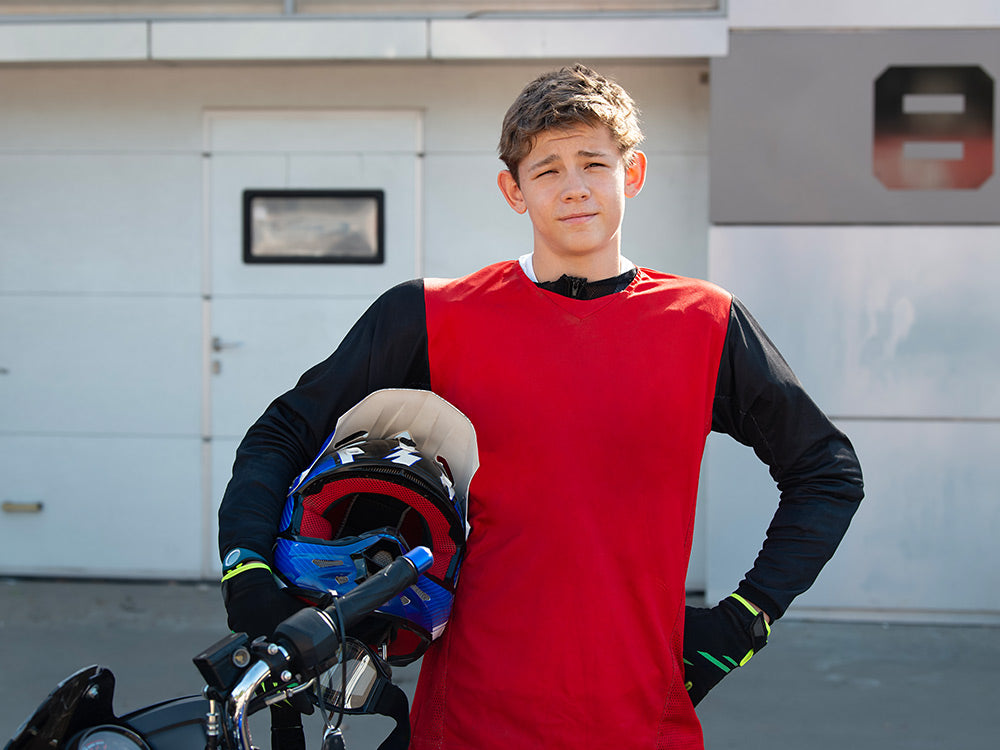
The minimum age to ride a motorcycle in the US is set by each state. A learner's permit is available from age 13 or 14 in a few states, 15 or 16 in most others, and a full license usually starts at 16. A handful of states set the license age at 17 or 18. Riders under 18 often must hold a permit first and complete an approved safety course, and a few states also set a minimum age for passengers.
Table of Content
The joy of riding a motorcycle creates a special feeling and a sense of excitement in bikers. As you ride, your face feels the rush of wind. Your soul trembles as your motorbike engine vibrates. You feel an unmatched sense of freedom as you cruise down highways and open roads.
However, there are certain rules that must be followed before you can enjoy all of this about motorcycling. To enjoy the rush of bike riding in the US, riders must reach a certain age to be eligible to take bikes out on the road.
The age criteria for bike riding in the US depends on your area or region because each state has its own specific rules and laws regarding motorbike licenses and permits. Every US state has some specific or unique rules, requirements, and trends that apply to motorbike riding or riders.
This article provides detailed info regarding age restrictions by state, training rules for young riders, and passenger age limits, together with the complete process to obtain a motorbike license for safe and legal road usage. Continue reading this article to learn how old you have to be to ride a motorcycle.
1. How Old Do You Have to Be to Ride a Motorcycle?
In most US states, you can get a motorcycle license at 16. Some states allow a permit as early as 13 or 14, while a few require riders to be 17 or 18 for a full license. Riders under 18 often face extra rules, such as a safety course, so check your state's rules before you apply.
2. Understanding the Basics: Motorcycle Licenses Vs Permits
We must first differ between motorbike licenses and bike permits before we get into the details of age requirements. Motorcycle laws use two distinct terms that function differently from each other when it comes to the licensure process, including:
2.1 Motorbike Permit
Acquiring a bike permit enables you to study bike operation. However, specific conditions apply.
A written exam determines your aptness for getting your bike permit.
Those holding bike permits face daily riding confines and cannot carry passengers or use highways.
Riders holding a motorbike permit may need an experienced, licensed rider to supervise them while they ride.
2.2 Motorcycle License
A motorbike license grants open bike riding rights and freedom to its holder.
Acquiring a bike license requires passing three tests, including written, vision, and riding skills tests.
States that run bike safety programs offer riders other ways of acquiring the license, such as through the riding test or completion of their certified training.
Let’s move on to the age-related requirements to drive a motorbike in the US.
3. Minimum Age Requirements by States
Every state has its own rules and laws about which age group can ride motorbikes. The groups below are based on the age at which riders can first get a bike permit or license in each state. Most US states fall into five main groups:
3.1 13 and 14 Years Old
A small number of US states grant teens, starting from the age of 13 or 14, the ability to obtain their bike permits.
Young bike riders in Alaska may obtain their bike permit starting at the age of 14.
The state of Arkansas allows teens at the age of 14 to begin their bike riding career with a motorbike permit.
People in Kansas can obtain a motorbike permit starting when they turn 14.
New Mexico allows riders to get a bike permit starting at the age of 13, while a bike license is available at the age of 15.
Younger bike riders in the above US states need to follow all bike riding rules that include daytime-only operation and solo riding without a passenger.
3.2 15 Years Old
The US states below have a 15-year basic age rule for obtaining a motorbike permit. Examples include:
Motorcycle-only license seekers in Florida must meet the age requirement of 16, while learner’s permit seekers can begin at the age of 15.
People in Louisiana who are teenagers have the right to obtain their bike permit at the age of 15.
South Dakota offers bike permit to young riders at the age of 14, while teenagers can obtain their bike license at the age of 15.
3.3 16 Years Old
Most U.S. states have 16 as the basic minimum age limit for bike permit and license issuance. The states of California, Texas, and New York belong to this category.
The state of California issues bike permits to applicants who reach 15 and a half years old and grants bike license to riders who turn 16.
Texas provides bike license applicants the chance to obtain a bike permit at the age of 15. However, the licensing process starts at 16.
Holding a bike license in New York becomes possible when reaching the age of 16.
-
Colorado also sets the minimum age for a bike license at 16.
3.4 17 Years Old
- A few US states set the minimum age for a motorbike license at 17 years old, even if riders can start with a permit earlier.
- Delaware allows a bike license at 17 if the rider completes a safety class, and at 18 if the rider does not. Riders must hold a learner's permit first.
- Georgia sets the minimum age for a bike license at 17, while a learner's permit is available at 16.
- Mississippi sets the minimum age for a bike license at 17. Riders of any age must pass a knowledge test and get an instruction permit first.
- Nebraska and Wyoming also set the minimum age for a bike license at 17.
3.5 18 Years Old
- Riders who seek an unrestricted motorbike license must reach the age of 18 in some US states. These are:
- Massachusetts sets the minimum age for a full bike license at 18, while a bike permit is available at 16.
Arizona sets the minimum age for a full bike license at 18, while a bike permit is available at 15 and a half.
Age rules can change, so always confirm the latest requirements on your state's DMV website before you apply.
4. Why Age Matters in Motorcycle Riding?
Age has a huge role to play when it comes to safely riding a motorbike. The lack of bike riding experience, maturity, and judgment, along with the lack of riding skills in younger or below-age riders, is not good for safety.
Motorcycles are powerful two-wheel vehicles that need riders to remain focused while showing their skills and awareness of the riding conditions. States implement age-related motorbike laws and rules for new riders for the following good reasons:
Younger riders face challenges when they handle bikes because they do not have the right experience of bike riding.
Young bike riders make more rash choices on the road by speeding and riding between vehicles.
The lack of riding experience in novice riders prevents them from properly handling emergency situations during the ride, such as road slickness and sudden braking.
Young bike riders may also struggle to control the weight of the motorbike because of lower physical strength.
States have age restrictions coupled with permission systems to protect riders against bike crashes and ensure their safety.
5. Steps to Get a Motorcycle License
The process to obtain a motorbike license has the following steps:
5.1 Check Your State Requirements
You can check the minimum age requirement, riding skills test rules, and other info online by checking your state’s Department of Motor Vehicles (DMV) website.
Some states use a different name, such as the Bureau of Motor Vehicles (BMV).
5.2 Get a Motorcycle Permit
You must pass the written exam to get your bike permit. You must prepare for this test. The written exam consists of questions about road rules, traffic signs, and bike safety guidelines.
After you get your bike permit, you should practice riding your bike in controlled low-traffic areas or zones.
5.3 Take a Motorcycle Safety Course
A motorbike safety course is quite essential or highly suggested by many state authorities. These training courses provide instructions on safe bike operation and skills for better bike control and accident prevention techniques.
In many states, completing an approved safety riding course lets you skip the riding skills test.
Some states go one step further and make training a must for younger riders. Connecticut, Delaware, and Minnesota require riders under 18 to complete an approved safety course, while California requires it for riders under 21. To see how the whole learning process works from the first lesson, read What Is the Process of Learning to Ride a Motorcycle?
5.4 Pass the Riding Skills Test
States that need a riding test will require applicants to prove their skills at controlling their bikes while making turns, stopping promptly, and executing basic riding actions.
5.5 Get Your Bike License
After getting done with all the required tests, you will obtain your bike license. You can now ride the bike legally on roads.
6. How Old Do You Have to Be to Ride as a Passenger?
Riding on the back of a bike is different from riding the bike yourself. Most states do not set a hard minimum age for passengers, but some rules apply almost everywhere:
- Passengers must follow the state helmet laws.
- A child must be able to sit properly on the seat and reach the footpegs with their feet, which means very young children usually can not ride as passengers.
- A few states set a minimum passenger age. Arkansas sets it at 8 years old, Hawaii at 7, and Louisiana, Texas, and Washington at 5.
Always check your state's rules before taking a young passenger on a ride.
7. Motorcycle Safety Tips for Young Riders
For a young or teen rider, ensuring they don’t miss any safety tips or precautions while riding the motorbike is vital. Make sure always to follow the below bike safety tips while riding:
7.1 Wear the Right Safety Riding Gear
Wearing the proper safety riding gear may not prevent motorbike accidents from happening, but it can save your life in case of a motorbike crash. The right safety riding gear includes a DOT-approved full-face helmet, jacket, pants, riding boots, and gloves.
7.2 Follow All the Rules
To operate the bike in a safe manner, it is essential for all road users, especially riders, to follow all safety riding rules. These rules are in place to ensure a safe riding experience.
7.3 Ride Defensively
Riding defensively is one of the best safety riding tips an expert can give to a young rider. It means to ride slowly and stay active at all times during the ride. The rider must look for any danger or threat that can cause a motorbike accident.
7.4 Practice, Practice, and Practice
There is nothing that can make you an expert and safe bike rider except practicing. The best way to get used to riding a motorbike, have good control over the bike, and be safe is through practicing a lot. You will develop muscle memory and road sense. You will know how to avoid bike crashes and how to deal with rash drivers and riders.
7.5 Stay Sober
If you ride a motorbike and love your life, you must not drink and ride. Riding under the influence is among the major causes of motorbike accidents. It takes your senses away, and you cannot focus while riding a motorbike.
Must Read: 20 Motorcycle Safety Tips for City Travel



Leave a comment
All comments are moderated before being published.
This site is protected by hCaptcha and the hCaptcha Privacy Policy and Terms of Service apply.