
Table of Content
Riding a motorcycle is a special feeling of freedom, adventure, and closeness to the road. However, to many riders, both new and old, fear may act as a deterrent to enjoying these exhilarating moments to the fullest. The fear of crashing, concerns about riding alone, or in bad weather, etc., are all normal anxieties.
However, the reality is that not all these fears are as terrible as you may think they are. They tend to become bigger in our heads than they actually are. With the right knowledge, skills, and mindset, they can be beaten. In this article, we will look at some of the biggest motorcycle riding fears that bikers have and how they should not hold you back from enjoying the fun of riding the bike.

1. Fear of Dropping the Motorcycle
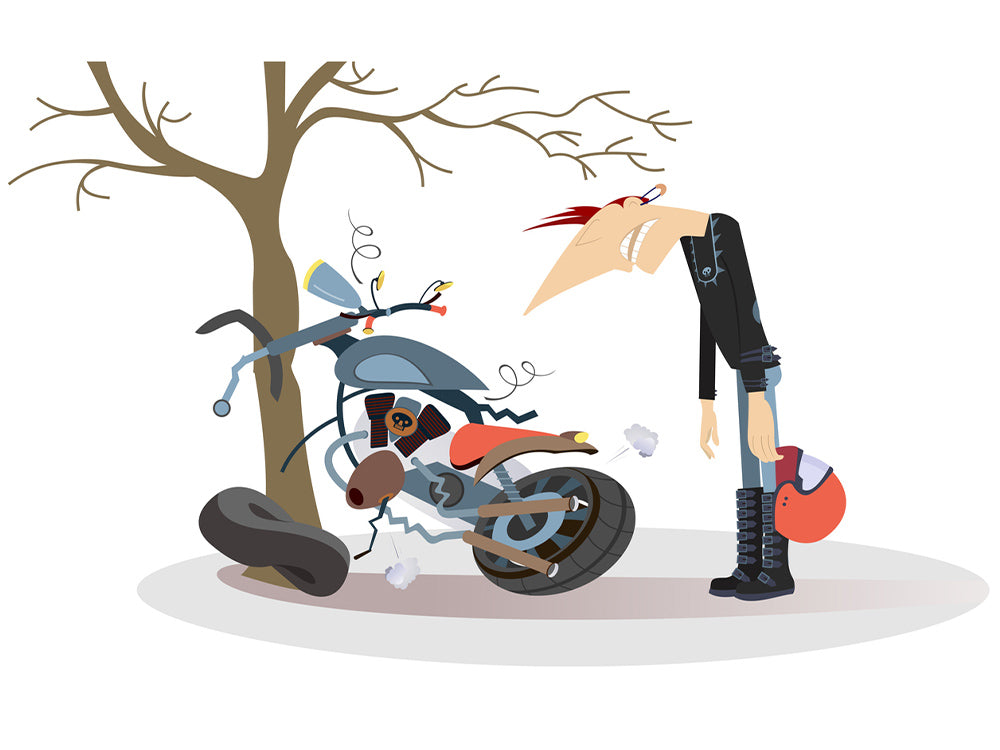
The fear of dropping the bike, especially if it is a new one, is the archetypal fear of new riders. The psychological picture of your sleek, gleaming motorcycle falling over, scraping the fairings, and attracting the attention of every eye within a mile radius is enough to make one break into a sweat. It is not as big a thing for many riders, whether novice or experienced, to drop a bike. However, it seems like a disaster to many, especially if you are new to a bikers’ circle. Also, because the bike is heavy and costly, the fear increases.
1.1 Why Dropping the Bike Appears So Overwhelming
Financial Panic: Motorcycles are expensive, and the little things, like repair after a simple tip-over, can be costly.
Embarrassment: You get the feeling that you have failed as a biker in front of everyone. It makes you feel like you don’t know what you are doing.
Physical Intimidation: Most motorbikes are too heavy. If you are a new rider, you will likely be intimidated by handling a motorbike. Feeling that you are too weak to control or manage a motorbike is a legitimate worry.
1.2 Why It Isn’t As Bad As You Think?
1.2.1 Dropping the Bike Is Common With Almost Every Rider
Ask any experienced rider, and most will have a tale to tell of how they dropped their bike. It can occur in a car park, in stagnation, or on a gravel road.
It is true that almost every rider has dropped the bike at least once in their riding career. Even experienced bikers and professional racers drop their bikes, whether during practice or even on the main day. It is a part of the process of learning how to ride a motorcycle. You cannot become a good rider until you overcome your fear of dropping the bike, learn from your mistakes, and get over it to continue.
Dropping your bike can be a great lesson. You can learn more about balancing the bike, clutch control, foot positioning, and how to watch your terrain. It is a practical course in how to ride a bike that you will never forget.
1.2.2 Invest in Some Modern Motorcycle Accessories and Tools
Modern bikes are often fitted with factory engine guards, frame sliders, and axle sliders. In a low-speed or stationary tip-over, these inexpensive accessories cushion the blow and save your costly engine covers, fairings, and levers. One set of sliders can cost you around $150, but it can save you hundreds and thousands of dollars in repairs. They can turn what could have been a catastrophic failure into a mere scuff on a piece of plastic that can be easily replaced.
Engine guards, crash bars, frame guards, and sliders are a few protective items for your bike to install. Make sure you invest in them after buying your new bike. Make sure to do this before you drop your bike.
1.2.3 Learn Low Speed Maneuvers
Use an empty parking lot for practicing slow-speed maneuvers. Practice U-turns, leaning, cornering, figure-eights, and emergency stops. The less you are afraid of balancing the bike at slow speeds and the friction zone, the less likely you are to drop it.
2. Fear of Crashing the Motorcycle

One of the worst and scariest motorcycle riding fears is crashing or getting involved in an accident. It not only causes a mental toll, but it also results in financial issues. Most modern bikes are so expensive that even a small dent on these bikes can be very expensive to repair.
The fear of crashing is one of the most common and understandable fears of riders, especially beginners. It is frightening to lose balance, fall to the ground, and get hurt. But this fear is usually exaggerated in our heads more so than it is in real riding experience.
Statistically, most of the crashes occur because of the mistakes of a rider, distractions, or dangerous road conditions, rather than the danger of motorcycles themselves. This implies that many accidents can be prevented through embracing good riding cultures.
2.1 How to Get Out of the Fear of Crashing the Bike While Riding
The best way to get out of this fear is to learn and train the basics of bike balance in a secure place.
Enrolling in a certified motorcycle safety course will teach you how to handle your bike, how to brake, and how to respond to emergencies.
Learning the balance points of your bike and practicing with slow-speed maneuvers is confidence-building.
Riding with full protective gear, helmet, gloves, jacket, pants, and boots will help you mitigate injury risk significantly.
You will have the reassurance that in case of a fall, the consequences will not be significant.
The other aspect is to prepare yourself mentally.
Be aware that falling is just a part of the learning process, and even the most experienced riders sometimes have lowsides or smaller falls. By riding smoothly and in control instead of riding on the edge too soon, you decrease your crash risk. Also, by maintaining a speed that is suitable for your ability and the road conditions, it helps to minimize the risk of an unsafe situation.
3. Fear of Speed While Riding
One of the major fears of new riders and even some experienced ones is speed. The sensation of speeding along on a relatively small machine is overwhelming. Others fear they will lose control or not be able to respond to dangerous situations when riding fast. Speed is not your enemy.
However, safety is determined by how that speed is managed and respected. Speed is terrifying when it is beyond your comfort and skill level or when you ride rashly.
3.1 How to Get Over the Fear of Speed While Riding a Motorbike
The trick to getting over this fear of speed is exposure.
Start by riding at speeds you are comfortable with and then increase speed as your skills are enhanced.
Learn to throttle smoothly, brake gradually, and have control that is steady.
The confidence increases when you can manage your bike at a higher speed.
Speed awareness also implies the knowledge of appropriate riding speed based on the environment, including riding on sharp curves, wet surfaces, or in busy traffic.
It is a wise idea to slow down to stay safe.
The fear of speed is something that many riders get over with practice and experience. The excitement of riding may involve speed, but it does not have to be wild and unguided. Consistent riding, proper training, and the attitude of prioritizing safety will help you fight the fear of speed while riding.
4. Fear of Riding Alone

Riding alone may be frightening to some, especially when you are accustomed to the company or are concerned about what to do in case something goes wrong. The worry of being left stranded due to a breakdown or meeting an accident with nobody in sight is a common one. But when you ride alone, it is usually much easier than it seems.
Most single riders report that when they are actually out on the road, the fear disappears. Riding on your own gives you the freedom to ride at your own pace, to take the paths you want, and to feel one with your bike and the environment you are riding in. It is also a great way of developing confidence.
4.1 How to Overcome the Fear of Riding Alone on a Motorbike
The best way to conquer the fear of riding alone is by riding in areas you are comfortable and within reach of help.
Also, make sure to have a fully charged phone, emergency contacts, GPS tracking apps, and roadside assistance apps.
Learn how to do simple motorcycle maintenance and carry the basic tools, so that you can handle minor problems on your own.
In addition, join local riding clubs. This does not imply you must always ride in groups. However, it is good to have a support network of others with whom you can share advice and support. This will give you peace of mind.
You can further reduce the risks by planning your rides in advance, letting someone know your route and expected time of arrival, and riding during the day.
5. Fear of Riding in the Rain
Riding in the rain is admittedly more difficult than riding when it is dry. Wet roads make it more difficult to maintain traction. Also, visibility becomes poorer, and reflexes will have to be quicker. Most riders are afraid of failing, losing balance, or not being visible to other road users during the rain. This fear is valid, yet it can be handled well.
This is because riding in the rain is not as bad as you may have thought, given that with proper preparation and attitude, you can still ride safely and comfortably. Waterproof rain suits, gloves, boots, etc., are modern equipment that keep you dry, warm, and focused. Anti-fog or clear visors improve visibility. Motorcycles with good tires and the right tread do better on wet roads.
5.1 How to Get Over the Fear of Riding in the Rain
To overcome the fear of riding in the rain, you must change your riding style.
Slow down and increase the following distances to give more time to respond.
Do not accelerate sharply or brake harshly. Also, do not take corners aggressively. This will lead to slips on wet surfaces.
Be on the lookout for oil patches, painted road markings, and metal surfaces, which are even more slippery when wet.
Riding in light rain will increase your confidence in heavier rain.
Keep a straight and relaxed body posture to ensure enhanced balance and control of steering.
Lightly apply both brakes to prevent the wheels from locking up.
Riding your motorbike in the rain can be a fearful experience, but by taking into account the conditions and preparing yourself adequately, it becomes a possible technique. Most riders love to experience the serenity of riding in the rain after they learn to do it safely.
6. Fear of Being a Girl on a Motorbike
Most women riders are afraid of being judged or treated differently since riding a bike is regarded as an activity that is dominated by men. This fear can be instigated by issues that are associated with security acceptance or failure to conform to other riders. This fear is more stereotypical than real. The number of women bikers is increasing and is being respected in the biker world. The silver lining of this is that being a female rider does not make you any less competent or safe.
6.1 Conquer Your Fear of Being a Girl on a Motorcycle
The most effective method of overcoming this fear is to increase your confidence through learning and practice.
Join female-specific riding clubs or groups and attend biker events, where you feel supported and able to share experiences.
Wearing appropriate riding gear that fits well and ensures good style.
Keep in mind that riding a motorbike is all about competency, enthusiasm, and pleasure. None of which is gender-based. The more you ride, the less this fear counts. The community is very friendly to many female riders, and their presence helps to alter the attitude of the biking world.
7. Fear of Sharing the Road with Heavy Traffic
Riding through heavy traffic is intimidating to any rider, especially to beginners. The anxiety of being close to large vehicles, abrupt braking, or careless bikers may be debilitating. Heavy traffic does not have to become a nightmare as long as you know how to manage it.
This fear is usually made greater in your mind since you feel vulnerable when you are on two wheels among larger vehicles. However, bikes are more agile and small in traffic, so you can maneuver safely provided that you remain alert and calm.
7.1 Overcome Your Fear of Sharing the Road with Heavy Traffic
The best way to overcome this fear is to practice defensive riding, anticipate what other drivers may do, and maintain a safe distance.
Smartly use the lane positioning to have better visibility of yourself and other drivers.
Maintain a constant pace and do not make abrupt changes of lanes.
Choose less-busy routes or ride during off-peak times, when traffic is less stressful.
After all, riding in heavy traffic can be dealt with when one gains experience. The secret is to be concentrated, care about the traffic regulations, and not to lose one's temper. Riding in traffic is not as bad as you think when you get these skills.
8. Fear of Embarrassment While Riding
Not wanting to make a mistake in front of others, dropping the bike, stalling the engine, or looking like a novice are all concerns that many new riders have. This fear of embarrassment may stop riders to learn or enjoying riding to the fullest. However, it is perfectly normal to make mistakes and a big part of becoming a better rider.
8.1 How to Overcome the Fear of Embarrassment While Riding
A new rider has to begin from somewhere, and even professional riders are not immune to mistakes.
The trick is to learn that mistakes do not make you a bad rider.
Emphasis on learning instead of perfection will help to minimize embarrassment.
It is advisable to practice in quiet or restricted areas, such as car parks, prior to going to busy roads.
Riding schools and group rides can be constructive environments where riders motivate each other.
With time, you become more confident, and you do not mind as much what others think. Most riders will respect the effort and improvements, not perfection. Therefore, do not allow embarrassment to prevent you from having the pleasure of riding.
9. Fear of Not Knowing Enough About Motorcycles and Riding
Not being confident about your motorcycle knowledge or skills is a common thing among new riders. You may be concerned that you will not be able to learn about the mechanics of your bike, road rules, and safe riding styles. This fear may lead to hesitation or fear on the road.
The positive aspect of this is that it takes time to learn how to ride and maintain a motorcycle. You do not need to know everything at once.
9.1 How to Conquer Your Fear of Not Knowing About Bikes and Motorcycle Riding
Start with the basics, such as how your bike works, basic upkeep, and safety rules.
Reading manuals, watching tutorials, and taking safety courses increase your knowledge in a short period of time.
By joining rider communities or forums, you can ask questions and learn based on the experience of other riders.
Riding in itself is the best instructor, as your skills and knowledge improve by themselves with time.
It is not a shame to seek assistance and continue learning. The fear of not knowing is lost once you become experienced and confident.
10. Fear of Getting a Flat Tire or Some Other Mechanical Issue In the Middle of the Busy Road While Riding
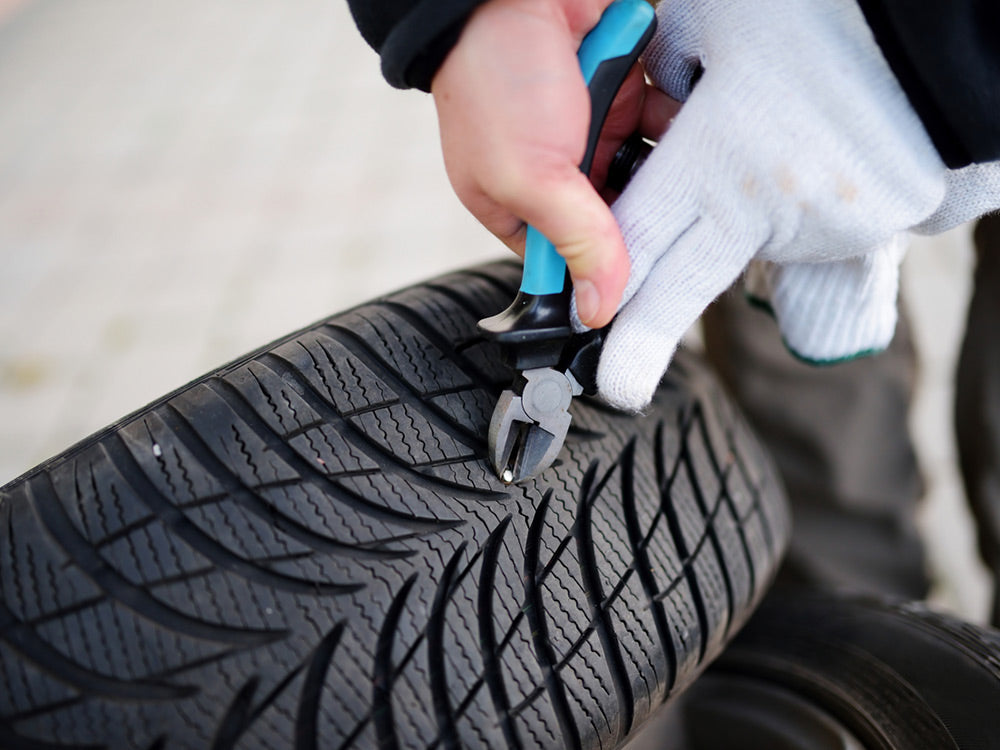
The thought of experiencing an engine breakdown, a flat tire, or mechanical failure during a ride is a very real fear that many riders have. Getting stuck on a highway is scary and worrisome. This fear can be managed through preparation and rational thinking.
Any vehicle, including motorbikes, may experience mechanical problems, but they can be minimized through frequent maintenance.
10.1 How to Overcome the Fear of Experiencing a Mechanical Issue With Your Bike in the Middle of a Busy Road
Basic checks, such as tire pressure, oil levels, and brake function, should be done before each ride to prevent any surprises.
A small tool kit, tire repair kit, and portable air pump can be lifesavers.
In case of a flat tire or any other problem on the road, the trick is to remain calm and move to the shoulder or a secure location.
Turn on your hazard lights and request roadside assistance when necessary.
It is crucial to know your emergency contacts and have a charged phone.
The majority of mechanical problems can be fixed within a short time and with a little preparation. The anxiety over breakdowns is not as grave as it may sound when you take precautionary measures and remain prepared. Experience can also help you know how to approach such situations in a calm and safe manner.
11. Conclusion
Riding a motorcycle comes with its own fears, but none of these fears should stop you from going out on the road. Fears about falling off the bike, riding alone, heavy traffic, or sudden mechanical problems can be overcome with preparation and confidence. Women riders are able to shatter stereotypes. All riders can develop past the fear of being embarrassed or ignorant.
Keep in mind that fear is a normal component of learning and advancing. The only solution is to take such challenges and turn them into opportunities to develop skills and find freedom on two wheels. Never stop learning, always be ready, and have fun. The more miles you run, the more confident you will become and the more passionate you will be.



Leave a comment
All comments are moderated before being published.
This site is protected by hCaptcha and the hCaptcha Privacy Policy and Terms of Service apply.