
Table of Content
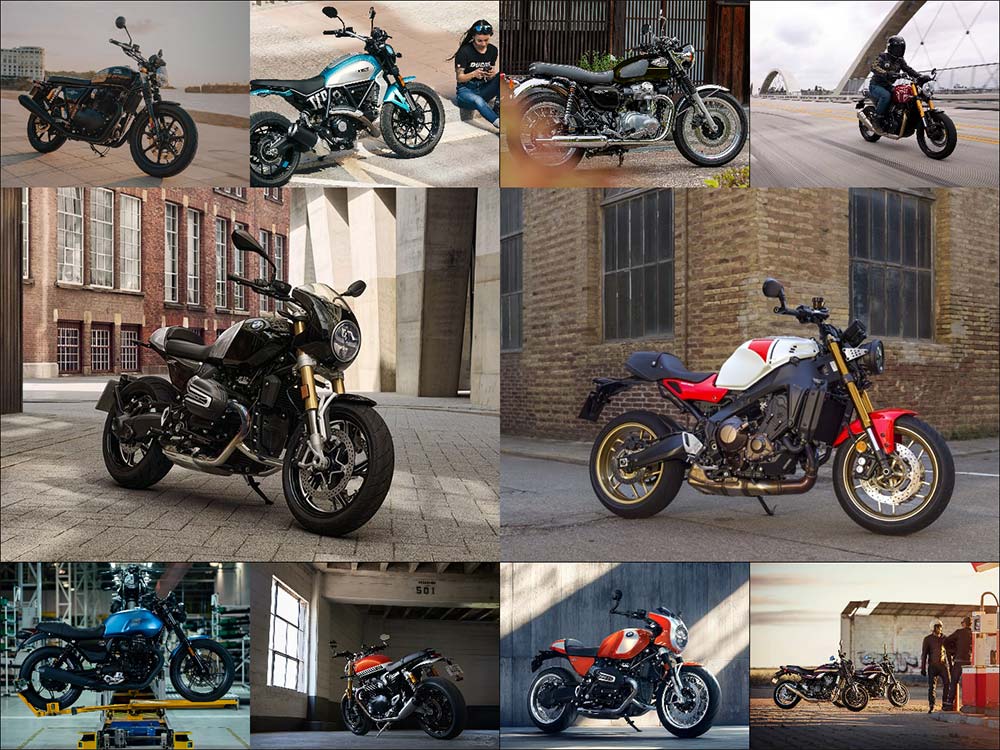
In the case of motorcycle engineering, the use of twin engines is one of the most important advances. Whether you are a long-time rider or new to motorcycling, you have probably realized that most motorbikes of all types are usually equipped with twin-cylinder engines. These types include low-end street bikes, high-end cruiser bikes, and even sportbikes. Why is the twin-cylinder engine setup so popular? What is the reason behind nearly all bike makers choosing to include twin engines in their models?
In this article, we will go deep into explaining why twin engines have become a force to deal with in the bike world. We will discuss the benefits of twin engines, how they fit different riding styles, and why they are the best choice in so many bikes. Whether you are a motorbike fan or a beginner interested in the engineering side of motorcycles, this article will give you a full picture of why most bike makers prefer using twin engines in all types.
1. What are Twin Engines in Motorcycles?
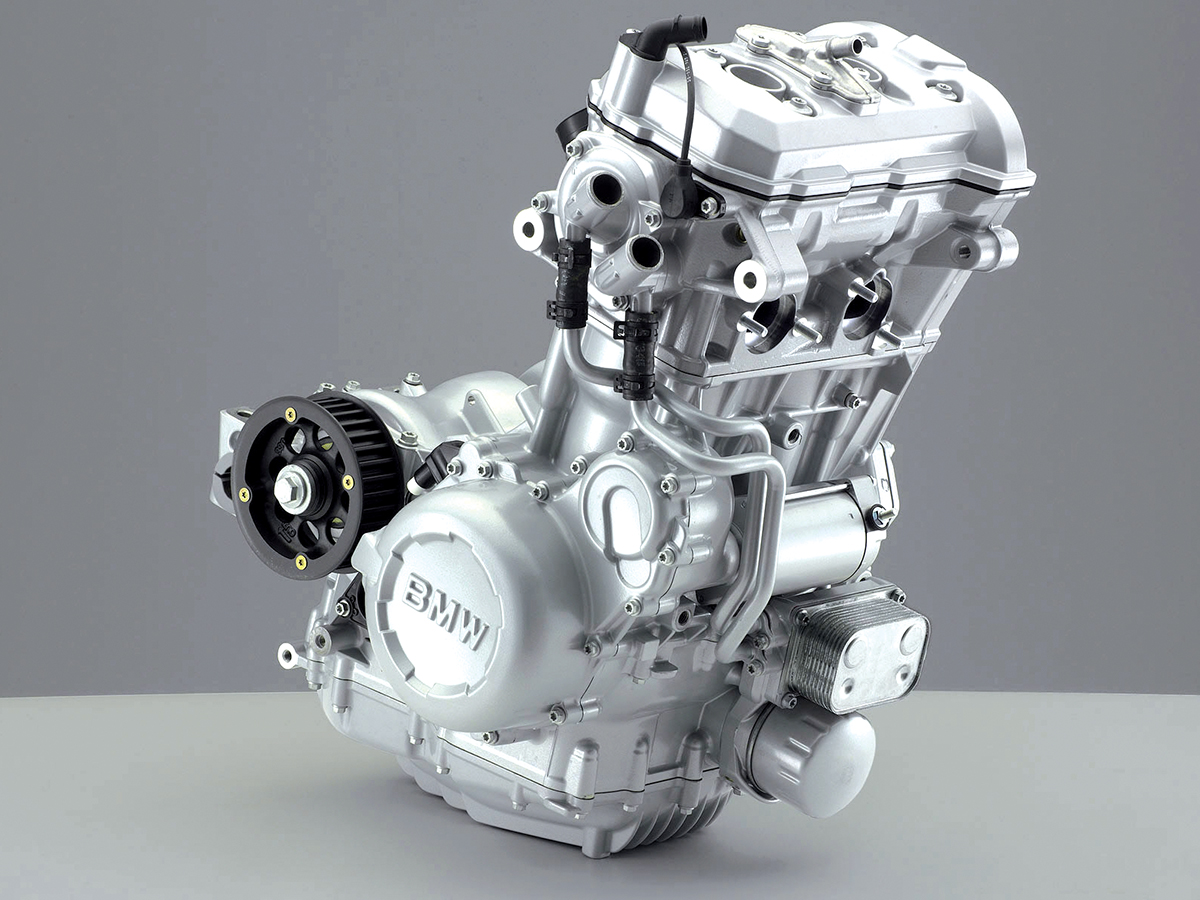
Before we get into the how, first, we need to define what a twin-engine bike is. A twin-engine bike can be defined as a bike with a twin-cylinder engine. The two cylinders may be placed in many different ways, including the common V-twin or the parallel twin setup. These engines are available in a large selection of engine sizes. They are mostly the default choice of the bike makers because of their power and simple nature.
1.1 Types of Twin-Cylinder Engines in Bikes
1.1.1 V-Twin Engine

A V-twin engine arranges the two cylinders in a V-like position. It uses different angles between the two cylinders. It is typical of cruisers and touring bikes to use a V-Twin engine. This engine provides a uniquely rich tone with low-end torque.
1.1.2 Parallel-Twin Engine

With parallel-twin, the cylinders are placed next to each other, in a straight line. This setup features in a great number of sportbikes and entry-level bikes. This is due to its small size and straight power output.
2. Twin Motorcycle Engines Offer More Balance and Control
Balance is one of the key things that makes bike makers prefer twin engines. A properly balanced bike will improve handling, especially when turning or riding in tough terrain. During the process of designing a bike, engineers have to think about the weight distribution of the bike. Twin engines help in making sure that the weight of the bike is spread evenly.
Specifically, bikes powered by parallel-twin engines tend to be more balanced than multi-cylinder engine bikes. This is especially important among beginner and intermediate riders. These riders need a bike that is easy to ride and control, especially at low speeds.
More experienced riders find that the great balance that twin engines offer is a great benefit. Such a good balance makes twin-engine sportbikes and cruisers a perfect choice for many riders. These bikes are easier to control at higher speeds.
3. Twin Engines Offer Better Power and Torque Distribution
The ability of a bike depends on power and torque delivery. Twin engines perform better in this area since they offer the best power at both low and mid-range RPMs. Riders can enjoy smooth speed-ups and a pleasant ride without the jerkiness that is found in high-powered multi-cylinder engines.
3.1 V-Twin Engines
V-twin engines are known for their torque-heavy nature. The low-end torque gives quick throttle response and good speed at low speeds. This is great for cruising and city commuting. This is why the V-twin engine is ideal in motorbikes designed to give a relaxed, yet strong ride feel. Such bikes include cruisers and touring bikes.
3.2 Parallel-Twin Engines
In contrast, parallel-twin engines have a higher revving range. They are therefore good at sportbikes and small street bikes. They deliver power in a smoother way at higher RPMs. This is why these engines are ideal for riders who want a very good machine that gives steady power when they want it.
Twin engines in both setups provide enough power to support most riding situations. They give riders the speed and torque they need without the extra power that larger engines can provide.
4. Twin Engines Are Cost-Effective
The price is also a key factor for both the bike makers and the buyers. Twin engines are relatively cheap to make compared to multi-cylinder engines. The making process of twin-cylinder engines is simpler. It involves fewer moving parts. This means that the cost of making them is lower, and hence, the buyer receives a lower price tag.
The ease of twin engines also reduces the number of parts in stock and makes assembly lines easier. This lowers the cost for bike makers. As a result, motorbikes with twin engines are cheaper. Hence, they are affordable to more riders. This is especially true for the mid-range bikes that are used by both beginner and experienced riders looking for an affordable and reliable bike.
5. Twin Engines Provide Better Fuel Economy
Riders who use their bikes every day or travel the country with their bikes will consider fuel mileage an important factor. The twin engines, especially the smaller ones, provide a good power and fuel economy mix. The engines are usually smaller and lighter than multi-cylinder engines. This helps in reducing fuel use.
5.1 High Power Output
Twin engines have two cylinders. Therefore, they use less fuel and still provide enough power. Twin engines are attractive to riders who want a bike that will not lose its ability while also giving good mileage. The twin-engine is also built well so that riders can cover more distance on a single tank of fuel. This is very helpful when traveling long distances on highways.
5.2 Eco-Friendly Benefits
With the increased eco-friendly rules on emissions, the bike makers are being forced to come up with more fuel-efficient and environmentally friendly engines. Twin engines also have a smaller footprint in terms of carbon emissions than bigger and more detailed engine designs. This would make them the eco-friendly choice for eco-aware riders.
6. Twin Engines Have a Comparatively Small and Compact Structure
Bike size and weight are important factors in deciding the handling and movement of a bike. Due to their smaller size, twin engines enable the bike makers to produce lighter and compact bikes. This is more helpful to beginners and city riders who need an easy-to-manage bike in the city and small areas.
A lightweight bike is also easy to park, handle, and ride. Besides, the compact nature of twin engines makes bike makers produce bikes with a sleek, smooth appearance. This is one of the main design features of most modern bikes. From entry-level commuters to sporty street bikes, twin engines offer the right size and weight mix that riders need in daily riding.
7. Twin Engines Ensure Less Vibration and Better Ride Quality
Some bikes, especially those that have bigger engines, are prone to shaking. However, twin engines, especially V-twin and parallel-twin designs, provide less shaking. This adds to a more comfortable ride. This is important to riders who ride long hours on their bikes or ride on rough roads. Too much shaking may be uncomfortable and lead to tiredness.
7.1 V-Twin Engines
V-twin engines are naturally balanced in such a way that they reduce shaking. This is why they are good for long-distance touring. In this situation, the riders need to be comfortable for a long time. The low shaking makes the ride more fun, whether you are cruising on highways or on winding roads.
7.2 Parallel-Twin Engines
Parallel-twin engines also help in reducing shaking. However, they achieve this by balancing the internal parts of the engine itself. A parallel-twin engine has a smoother power delivery. This means less jolting. This makes the bike easier to control at higher speeds.
8. Twin Engines Offer Flexibility in Various Bike Types
Versatility is another important factor that makes twin engines so popular. Twin engines can be changed to fit different bike types by bike brands. It can be a commuter bike, a cruiser, a sportbike, a bagger, or a touring bike. Twin engines give the freedom to make different types of bikes to suit different riding styles and uses.
8.1 Commuter Bikes
Twin engines offer just the right amount of power and ability to the everyday rider. They are also easy to carry in city traffic since they are lightweight and compact. Daily commuters who ride their bikes also like the smooth ability that twin engines give.
8.2 Cruisers and Touring Bikes
V-twin engines are especially common in both the cruiser and the touring bike market. The low-end torque and steady power delivery are ideal for relaxed rides. This gives the rider a comfortable and fun cruising experience. V-twins also provide unique exhaust sounds, which is a plus for such bikes.
8.3 Sportbikes
Sportbikes also have parallel-twin engines due to their high RPMs and great ability at high speeds. These engines provide a more comfortable ride at high speeds. They suit aggressive riders who need top-end power and accuracy.
9. Twin Engines Have Enhanced Life Span and Improved Maintenance
Among the major pros of twin engines is the ease of fixing them. Twin engines are cheaper and simpler to fix since they have fewer parts and a simpler design than multi-cylinder engines. They are also more reliable since there are fewer parts that can fail.
9.1 Easier to Fix
Twin-engine bike riders and owners have the benefit of a simpler bike to service and repair. Most twin-cylinder motorbikes can travel miles without any major repairs. Thus, making them a perfect choice for the rider who needs a long-lasting and reliable motorbike.
9.2 Durability
Twin engines are made to last a long time. They are also strong and have fewer moving parts, making them durable. Riders who have invested in a twin-engine bike will usually experience that their bike, even after several years of use, still performs very well.
Must Read: 20 Most Reliable Motorcycles Ever Made
10. Twin Engines Ensure Improved Rider Control and Confidence
Control is highly important to any rider, whether beginner or pro. The twin engines help in providing more controllable and clear power. This gives riders greater control of their bike. This is vital, especially in tight corners, high-speed riding, or riding through traffic.
The twin-engine bikes also offer expected throttle response. They will feel less jerky than the stronger, multi-cylinder engines. Twin-cylinder engines can also be used to make riders feel secure, especially when they are new to bike riding or are not used to high-powered bikes. Riders have more control, and so they can focus more on enjoying the ride than on the tough power delivery.
11. Popular Engine Designs: V-Twin and Parallel-Twin
The most common types of twin engines are the V-twin and the parallel-twin. Both of them have different features and benefits that make them good for handling various kinds of bikes and riding styles.
11.1 V-Twin Engines
V-twins are smooth in power delivery, especially at low and mid-range RPMs. They have a unique sound and a heavy torque profile. This is why they are ideal for cruiser bikes and touring bikes. The V-twin is a common feature of such famous brands as Harley-Davidson and Indian.
11.2 Parallel-Twin Engines
Parallel-twin engines are smaller in size and usually found in lightweight bikes and sportbikes. They provide a high-revving engine that delivers smooth power at high speeds. Most modern bikes, including the Kawasaki Ninja 400 and the Honda CBR500R, are equipped with parallel-twin engines.
12. Pros and Cons of Twin-Cylinder Engines
12.1 Pros of Twin Engines
Better Balance and Handling: The twin engines give a more balanced weight distribution, making bikes easier to ride. This is true especially when turning or riding at low speeds.
Smoother Power Delivery: Twin engines, especially V-Twins, have easy-to-control acceleration, throttle response, and plenty of low-end torque.
Cost-Effective: Twin engines are easy to make and cheaper compared to multi-cylinder engines, which makes bikes cheaper to the buyer.
Fuel Efficiency: Twin engines tend to be more fuel efficient as they are smaller and have fewer cylinders. Therefore, it is more suited to riders who want a mix of power and fuel economy.
Small and Lightweight: Twin-cylinder engines are usually smaller and lighter, which is more convenient to handle and good for those who are new to riding or commuting in cities.
Less Shaking: V-twin and parallel-twin engines are made to reduce shaking of the engine, which makes the ride smoother and more comfortable, especially during long-distance trips.
Flexibility within Types: Twin engines are versatile in different styles of bikes, such as cruisers, sportbikes, and commuter bikes.
Low Fixing Cost: Twin engines have fewer parts than multi-cylinder engines. These are usually easier and cheaper to fix and repair.
12.2 Cons of Twin Engines
Low Top-End Power: In case of Twin engines, the power may not be as high at the top end or have top speeds that are similar to those of multi-cylinder engines. This may be a drawback to any rider who is concerned with performance.
Increased Weight in Certain Cylinder Setups: Although the V-twin engine is lighter than a multi-cylinder engine, the V-twin engine, especially the larger-displacement models, may be heavier than the single-cylinder engine, possibly reducing agility.
Shaking in V-Twins: The twin-engine setup usually reduces the problem of shaking. However, V-twin engines, especially at low speed, can still create a lot of shaking, which can become unpleasant during long rides.
Reduced Revving Ability: V-twins or parallel-twin engines cannot be revved as high as modern multi-cylinder engines. This can limit their performance to some types of riding, including racing or sport riding in an aggressive way.
Size restrictions: Although being small compared to the larger multi-cylinder engines, twin engines do take up more space than single-cylinder engines. This also limits the overall design and look of smaller bikes.
Noise Levels: V-twin engines are usually very loud. They produce a unique and special kind of sound. The V-twin exhaust note is usually liked by most riders, while others think it is too loud. Some riders think it is not suitable for commuting in cities or other quiet areas.
Possibility of Overheating: A twin-cylinder engine, especially air-cooled ones, can be less good at getting rid of heat than bigger engines, so it may overheat in some situations.
13. Conclusion
To sum up, twin engines are the backbone of bike engineering. They provide the most appropriate mix of power, handling, and cost-effectiveness. They offer the right amount of power needed by riders, be it commuting, cruising, or riding hard on a sportbike. Twin engines are highly adjustable, easy to fix, and offer a more comfortable and stable ride. Therefore, most bike makers use them in different types.
Twin engines have been the most popular choice of riders. This is mainly due to their ability to provide power without making the bike too heavy and inefficient. The twin-engine bike is a reliable bike to use, whether you are a new or an experienced rider.
14. Frequently Asked Questions (FAQs)
14.1 Why Are V-Twins So Popular?
One of the reasons why V-twin engines are so popular is their unique sound and low-end torque. As a result, they are very good for cruiser and touring bikes. The smooth power delivery of the V-twin engine is very comfortable and can be ridden over long distances and in the city. It also has low shaking and torque-heavy ability, which makes it popular with riders who like a relaxed but powerful ride. Above all, it also offers a very good throttle response.
Moreover, there is the unique sound and look of the V-twin engine that makes it popular, particularly in famous bike brands such as Harley-Davidson and Ducati.
14.2 What Are the Benefits of Twin-Cylinder Bikes?
Some of the benefits of twin-cylinder bikes are better balance, power delivery, and fuel use. They give excellent power and torque, thus being good for a variety of riding styles.
The twin engines are usually lighter and simpler than the bigger multi-cylinder engines. This helps in improving the handling and movement of the bike, particularly in city areas.
Also, twin-cylinder motorbikes are usually cheaper to fix since they are simpler and have fewer parts, and give good performance at a good price.
14.3 What Are the Disadvantages of a Twin-Cylinder Engine?
Although twin-cylinder engines are not a problem in general, they have their drawbacks. Among the main drawbacks, it is possible to note that they may not give the same amount of high-end performance and top-end power as bigger, multi-cylinder engines. This may be limiting to riders who want to reach high speeds or have high track performance.
Moreover, twin-cylinder engines, especially V-twins, will be heavier compared to smaller single-cylinder engines, which may affect the agility of the bike. They also have a greater amount of shaking than some multi-cylinder engines, which may cause discomfort during long rides.
14.4 Which Is Better, Parallel-Twin or V-Twin?
The choice to pick between a parallel-twin or V-twin engine motorcycle depends a lot on the interests of riders and the type of riding they like. Parallel twins are lighter, smaller, and rev higher, with smoother power delivery at higher revs. They are perfect on sportsbikes and smaller motorbikes, giving them agility and performance.
V-twin engines, on the other hand, have a reputation for being torque-heavy, low-end powerful, and with a special exhaust note. They are more comfortable and good for cruisers and touring bikes. In the end, neither is really better than the other. It is just a matter of what type of riding experience you want.




Leave a comment
All comments are moderated before being published.
This site is protected by hCaptcha and the hCaptcha Privacy Policy and Terms of Service apply.