
Table of Content
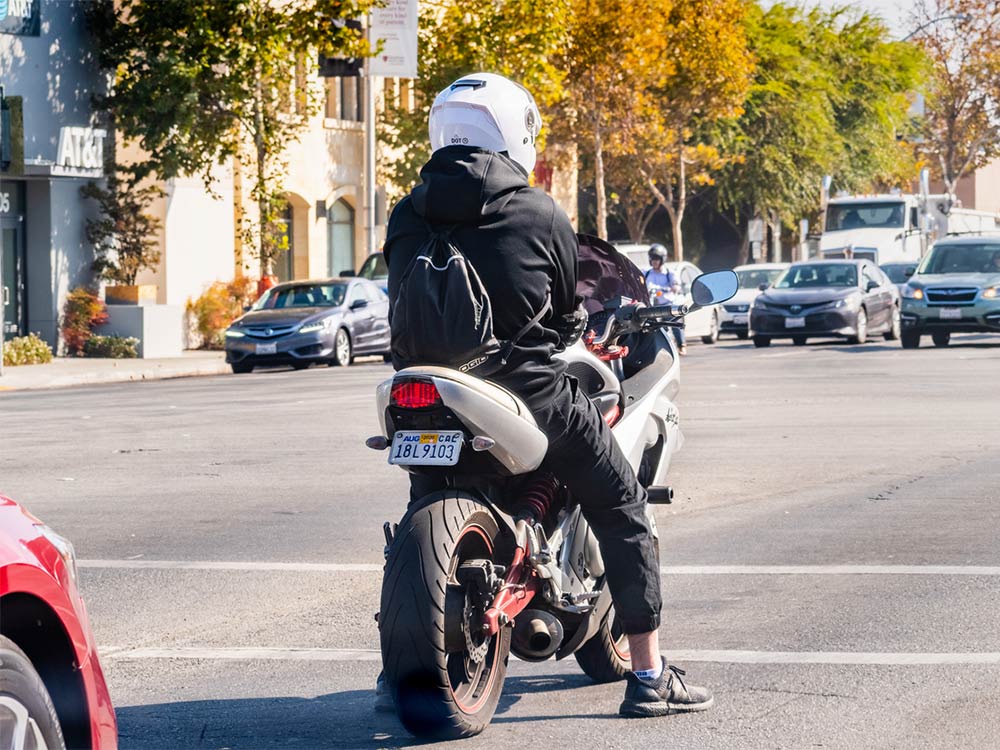
Motorcycles may be the solution to your problems when you consider beating traffic jams, saving money, and making your daily travel more exciting. As the cost of fuel increases and the traffic jams in the urban areas continue to increase, the question many people are asking is: “Are motorcycles good for everyday commuting?” The answer is “Yes”. However, like every other transport option, it has its own pros and cons that must be considered.
This guide will allow you to know whether motorcycle commuting is good or not. We will be comparing the everyday commuting on a bike with that of car travel.
Must Read: Top 5 Commuter Motorcycles of 2025
1. Time Saving: Why Motorcycles Are Better in Traffic Than Cars
1.1 Traffic Flow and Congestion Relief
The time you will save on a commuter bike is one of the great reasons to think about getting a bike for everyday commuting. According to many studies, if you replace cars with motorbikes on the road, it will greatly reduce travel time due to the lack of traffic congestion.
This isn’t just a theory; it is quite practical. The time it takes a bike rider to travel from point A to B is short compared to what it may take you to travel the same distance using a car. If you live in an urban area and have to travel almost every day, you must plan to switch to a motorbike, as it can save you a lot of time that you can spend somewhere else.
1.2 Benefits of Lane Splitting and Lane Filtering
In places where it is legal, bikes are able to pass across lanes of traffic. This ensures a massive edge, especially during rush hours. Lane splitting is a legitimate practice in many states, such as California. Whereas, lane filtering (passing through stopped or very slowly moving traffic) is legal in many other states in the U.S. These include Arizona, Utah, Montana, and Colorado. To an extent where these practices are not legal, bikes are still smaller compared to cars and can easily find spaces that cars can’t.
1.3 Space Efficiency on Roads
Many bikes can fit in a single car lane thanks to their smaller sizes. They can use the road space more effectively. This is because bikes not only assist riders in navigating through the traffic quickly, but they also minimize traffic jams. They occupy less space on the road.
2. Financial Benefit: Motorbike Vs. Car Commuting Costs
2.1 Initial Purchase Costs
The price gap between the purchase of a bike and a car is quite great. Although a good used car has a usual price of between $15,000 and $30,000, you can acquire a great everyday commuter bike at $3,000 - $10,000. There are some very popular used bikes that you can find for as low as $2,500, such as the Suzuki SV650.
In the case of new cars, the difference is even greater. New cars can be as expensive as $25,000-$40,000. Meanwhile, new commuter bikes can range between $6,000 $15,000, depending on the type, size, and features.
2.2 Fuel Efficiency Comparison
This is where the bikes shine through. The average car has a mileage per gallon of 30-35 mpg. Meanwhile, most commuter bikes reach 50-130 miles per gallon. Below is the breakdown of fuel mileage of motorbikes based on the engine size:
Small Engine Size (125 cc): 90-130+ mpg
Mid-Size Commuter Bike (300 cc - 600 cc): 50-80 mpg.
Large Touring Bikes: 35-45 mpg
Average Car: 30-35 mpg
This means that if you travel 10,000 miles per year on a bike with 60 mpg of fuel economy, it will consume 167 gals of fuel. On the other hand, a car with 30 mpg of fuel mileage will consume 333 gals of fuel. Using a bike for commuting can save you hundreds of dollars per year, given the current fuel prices.
2.3 Insurance Cost Analysis
The insurance for a bike is usually quite cheaper compared to car insurance. It is usually because the damage to the car and repairs will be much costlier in cars. However, insurance costs differ widely depending on many reasons. These include:
Riders’ age and experience.
The type and size of the engine of the bike.
Location and theft rates.
Coverage levels chosen.
The insurance of a bike for a young, new rider can be quite expensive compared to what it costs an experienced rider.
2.4 Maintenance and Service Costs
Bike maintenance and service costs vary widely based on the type of model and performance. However, bike upkeep is still much easier compared to cars.
Service and Upkeep Benefits for Bikes:
Less oil is required.
The oil change is cheaper.
Less complex engine and machinery to maintain.
It is easier to work on your bike by yourself.
Demerits of Bikes:
The bike tires are replaced more often due to a shorter lifespan.
The service life of bike tires is around 15,000 to 20,000 miles.
The service life of car tires is usually around 40,000 miles or above.
Bike chain requires maintenance after every 500-1,000 miles, almost.
The oil needs to be changed more often.
The difference between the cost of upkeep for cars and bikes may be large, but the bike requires frequent maintenance.
2.5 Road Tax and Registration
Compared to car tax, the road tax for bikes is usually cheaper. Such taxes and other charges make the cost of operating a car somewhat expensive compared to bikes for regular commuting.
3. Parking: A Great Benefit for Bikes
Motorbikes, being smaller and compact in size, are much easier to park. They don’t take up many parking spaces. Hence, the cost of parking the bike is also quite less compared to cars and other large vehicles. You may need to park your vehicle at a public parking, and it can cost you a decent amount of money if you have to park your vehicle on a daily basis. Most parking lots charge owners of cars or motorbikes hourly. If you own a car, the hourly parking fee can add up to make a good sum of money that you will have to pay.
On the other hand, you require decent garage storage to park a car at home to keep it safe from external elements. At the same time, bikes usually take up a small space, so you can park or store the bike at home during winter easily. In certain cases, you don’t even require a specialized garage to park a bike.
One can park almost three bikes in place of a single car parking space. There are many cities that either offer free parking spaces or lower parking fees to riders.
3.1 Parking Benefits in Urban Areas
Car drivers may need to spend 10-15 mins to get their cars parked. They may have to struggle to find an empty parking spot in the lot, especially while living in a busy urban area. Motorbikes are the only solution to this urban problem. You can save more time if you ride a bike, and use this time for other useful tasks.
4. Safety Comparison Between Cars and Bikes for Daily Commuting
Safety is among the most crucial factors that people are likely to consider while choosing between a car and a bike for commuting. Consider the stats below:
Bikers are 27-28 times more likely to die in a crash compared to car drivers or occupants.
There is an increased risk of fatal head and other injuries on bikes compared to driving in a car.
Bikers are more prone to receive life-threatening injuries in a crash compared to car drivers and passengers.
Bikes only constitute 3% of the total registered vehicles. Still, they contribute to almost 14-15% of all deaths in crashes.
4.1 Reasons Why Bikes Are More Dangerous
Bike crashes are more serious due to a number of factors:
Lack of Safety Features: No cage-like metal frame surrounding the rider. There are no airbags and seatbelts on a bike.
Visibility Problems: Bikes are not quite visible to cars and large vehicles due to their small size, especially while riding in the dark. It gets difficult for rash and high-speed car drivers to spot a biker, especially at intersections.
Road Hazard: Road conditions, such as wet and slippery roads, gravel, and potholes, impact bikes more than cars. The ride can be completely unbalanced, causing crashes.
Less Stable: Two wheels are not as stable as four wheels.
Must Read: What Is the Safest Type of Motorcycle?
4.2 Risk Reduction Strategies
Although the risks are real, they can be reduced to a great level by suitable riders’ training and safety gear.
Essential Safety Gear:
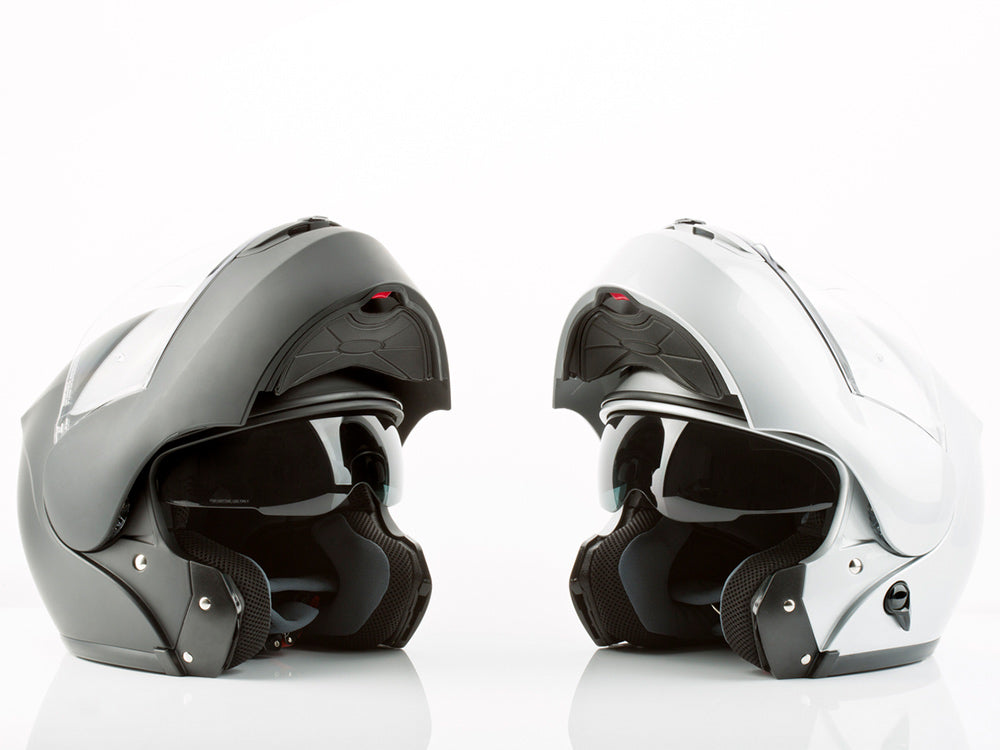
DOT-Approved Helmet (Helps avoid head injury, reduces the risk by almost 67%).
Wearing protective jackets.
Wearing riding gloves and biker boots.
Wearing high-visibility gear.
Training and Skills:
Getting registered in a motorcycle training school for learning safety skills.
Learning countermeasures.
Regularly improving your skills.
Weather-specific training.
5. Weather Problem: The Truth of Commuting All Year-Round
5.1 Seasonal Riding Conditions
The weather is another crucial factor that plays a huge role while riding. On the other hand, cars aren’t much affected regardless of the weather. Extreme weather conditions or seasonal changes make bike riding really hard.
Rain and Wet Conditions:
There is a lack of traction and visibility for bikes.
Need for waterproof gear.
Longer stopping distances for bikes.
Risk of tire sliding and bike skidding.
Cold Weather:
Wind chill effects.
Reduced movability.
Hands become numb.
Problems with the battery and fuel system.
Hot Weather:
Excessive heat in gear.
Lack of focus while riding.
Road surface heat.
5.2 Tips for Weather Preparation For Everyday Commuting on a Bike
To ensure you are all geared up and prepared for all year-round, everyday commuting, you must invest in good riding gear and equipment:
Use a waterproof rain suit and gloves.
Thermal base layers.
Moisture-wicking layers for summer riding.
Proper plan for riding or transport in severe weather.
6. Storage and Cargo Restriction
6.1 Comparison of Carrying Capacity
Storage is one of the areas where cars have a clear benefit. The luggage-carrying capacity of commuter bikes is low compared to that of cars. The storage capacity in bikes varies depending on the type of bike.
Storage Options in a Commuter Bike:
Small under-seat storage (only in a few models).
Tank bags.
Saddlebags.
Sissy bar bags.
Backpacks.
Trunk bags/tail bags.
Fork bags
Handlebar bags
Storage Space in Cars:
Large trunk space.
Back seat area.
Ability to carry passengers.
Protection from the weather.
Perfect for monthly grocery shopping.
7. Green Impact: Motorcycle Vs. Cars
7.1 Emission and Fuel Use
Bikes also have lower emissions as compared to cars since they have small engines and high fuel mileage. A bike with 60 mpg fuel mileage has around half the CO2 emissions as a car with 30 mpg covering the same distance.
However, in reality, older bikes, which are not equipped with modern emission controls, may pollute more per mile than a newer car. The best option is a modern, fuel-injected (EFI) bike, which has a catalytic converter.
7.2 Bikes Are Better for the Environment
Bikes indirectly contribute to the quality of air in cities by covering less space and reducing traffic jams. The reduction in time wastage in traffic translates to a reduction in the overall emissions of all vehicles.
8. Trends of Everyday Motorbike Commuting in the Future
8.1 Electric Bikes
Electric bikes are a great everyday commuting option. However, the shortcomings of these bikes must be addressed to ensure they become the future of bike riding.
Pros of Electric Bikes:
Zero gas emissions.
Very low operating costs.
Quiet operation.
Good acceleration.
Good for urban riding.
Cons of Electric Bikes:
Higher purchase prices.
Limited range.
The infrastructure is not developed yet.
Popular Models:
Zero SR/S: 200-mile range; Highway capable.
Energica Eva Ribelle: 180-mile range; Quick charge.
H-D LiveWire One: 146-mile range; Harley quality.
8.2 Technology Improvements in Commuter Bikes
The modern bikes are now safer and more commuter-friendly, thanks to:
The ABS system.
Traction control system.
Navigation.
6-axis IMU.
Electronic limiters.
Throttle control.
9. Conclusion
Are motorcycles good for everyday commuting? The answer is ‘Yes’ to so many people who use bikes on a daily basis. Bikes are the best in cases where you require:
A lot of cost savings on transport.
Time saving in traffic.
Don’t want to face traffic jams.
Want to save on fuel.
Want to save on parking fees.
If you have less space for parking or in your garage.
Still, the choice is yours to decide which suits you better, a bike or a car, for daily commuting. Know your preferences, make a list of pros and cons, and then decide accordingly what suits you best.
If you count in the financial savings, time savings, and enjoy the action of riding, bike commuting can turn the daily riding into a part of your day that you will start loving. The increased use of commuter bikes and the improved safety tech features indicate that bikes are becoming the solution to your transport problem. Many people find the advantages of bikes useful. They are the best at resolving traffic issues in cities.
To those who want to switch to bikes for daily transport, start with:
Enough training.
Spend money on good safety gear.
Develop skills over time.



Leave a comment
All comments are moderated before being published.
This site is protected by hCaptcha and the hCaptcha Privacy Policy and Terms of Service apply.