Table of Content
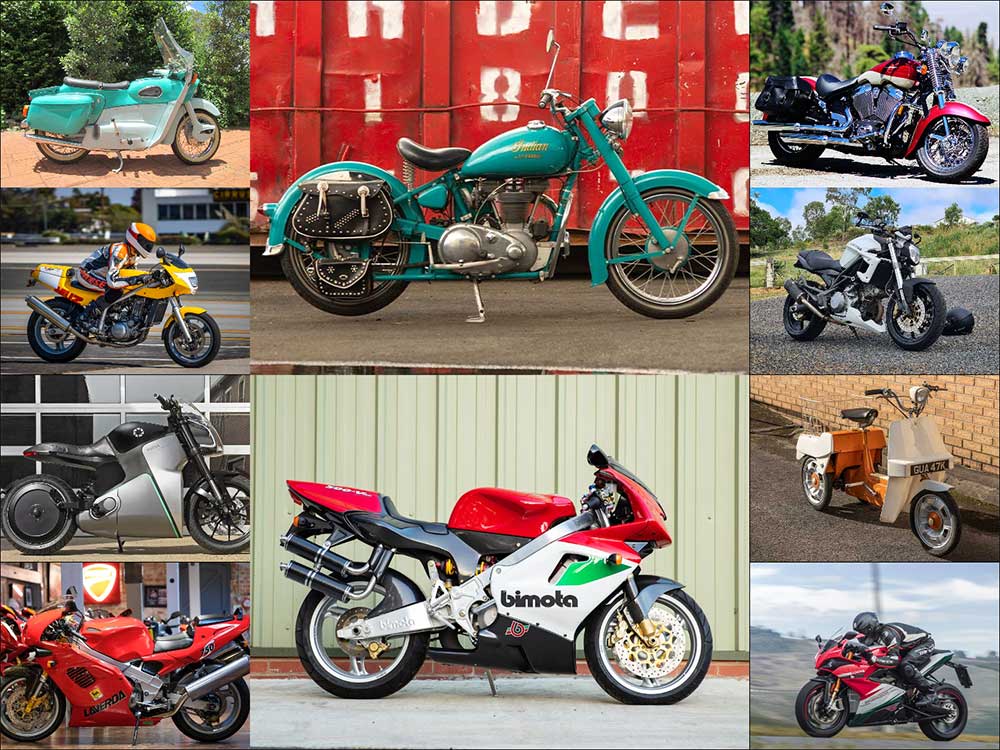
Motorcycles are a great piece of art, design, and engineering. There are many motorbike brands around the world that have made it to the biggest global companies. There is no luck; these top bike brands have made tremendous efforts, understood the customers, and promoted their bikes in the right ways.
There are motorcycle brands that have a greater probability of succeeding every time they launch a new model. In some cases, certain motorcycle brands have lifted their game in the market with a single hit model that changed the scenario for the brand completely. One successful model was enough for the brand to take it to the highest level of success.
On the other hand, there are motorcycle brands that went bankrupt and vanished as they produced a bike that didn’t live up to expectations. A single motorcycle model was enough to ruin their whole reputation as a credible bike maker. In this article, we will be discussing 12 motorcycles that killed their own brand.
#1
1. Energica Ego

The Energica Ego was supposed to revolutionize the electric bike market with a powerful look and high performance. The Ego was launched with high hopes, but it had advanced tech features and speed. However, the hopes of becoming the market leader in the electric bike business were soon shattered.
The Energica Ego is heavy. Its batteries were not very long-lasting as buyers desired. Most of the U.S. riders found charging too time-consuming. This bike could hardly be used for real-world daily riding. Moreover, it was not affordable to many riders. Thus, it repelled many riders who would have liked to ride an electric sports bike.
The result? Buyers remained inactive. Sales went down. The firm had problems when its initial major product did not take off. This showed the dangers in the electric bike market.
The Energica Ego was the star motorbike that struck a blow, rather than making the way for the brand's success. Energica became a lesson to other brands and bike makers. Despite the great power and looks, a bike can still ruin its own brand if it cannot provide what riders need.
#2
2. BSA Ariel 3

BSA was an iconic and old motorcycle brand that once enjoyed the status of a star brand. However, this brand based its future on the Ariel 3 in the early 1970s. The Ariel 3 was a three-wheel moped that was supposed to attract new riders due to the ease of handling and new looks. The concept of this bike was quite basic and straightforward. It was a fun urban machine for riders who were looking for something other than the traditional bikes of its time.
When it comes to the on-ground performance, the BSA Ariel 3 was slow, bizarre, and of low quality. The build was not good. The vast majority of the U.S. riders did not desire clumsy three-wheelers, but agile two-wheelers.
BSA had spent a fortune on the Ariel 3, and they had placed all their money on a model that no one desired. It did not go viral and was stacked up in the inventory that did not sell.
This flop was the last straw for BSA as a bike manufacturer. It follows the likes of dead bike brands shortly after, almost entirely due to the unsuccessful Ariel 3. The Ariel 3 is a lesson to bike makers. It is crucial for brands to stay familiar with the market. A single bad decision or an out-of-touch star bike will kill a great band overnight.
#3
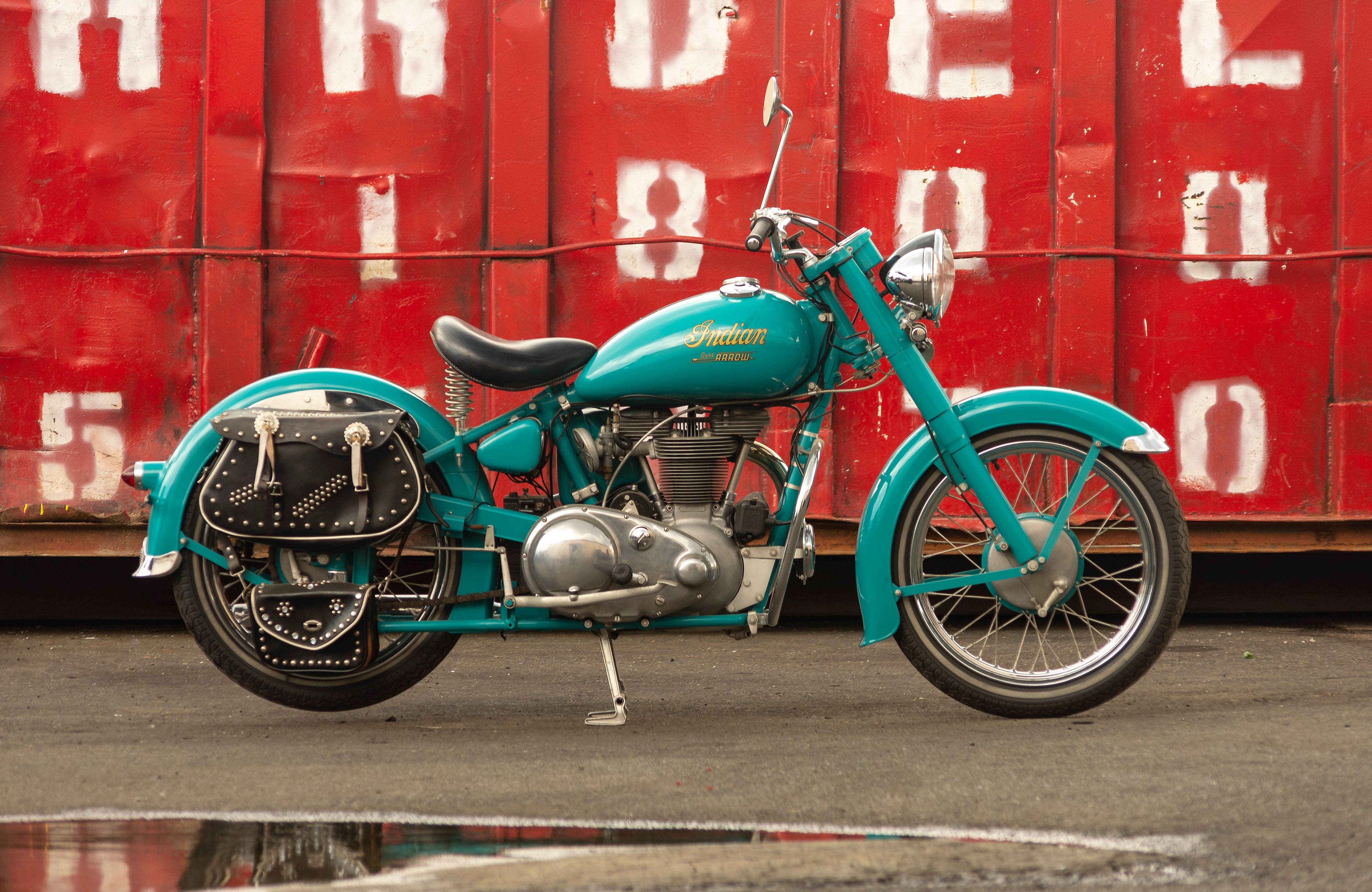
3. Indian Arrow and Indian Scout

The Indian Motorcycle company used to be the best American bike brand. It used to have very strong and iconic models at its peak. If you are unfamiliar with the history of motorcycles, the Indian you know today has been revived many times. The brand suffered bankruptcy many times in the past.
In the 1950s, the Indian brand risked its stake with the Arrow and the new Scout models. These new bikes fought against the rivals from British bikes by going small, cheap, and underpowered. This was very different from what Indian was used to. It overlooked the features that made Indian a star.
The U.S. fans who were loyal, the Indian Arrow, and the then Indian Scout were weak and plain. Neither the Arrow nor the Scout was able to fulfill the demands of the American riders, who adored immense and powerful bikes. This move undermined the brand image and Indian lost to Harley Davidson and other great brands.
In a few years, the name Indian became a matter of the past. The Arrow and the Scout models serve as good examples of how a motorbike brand can lose its position by not following the formula that made them great and once a proud bike maker into now-dead brand overnight.
#4
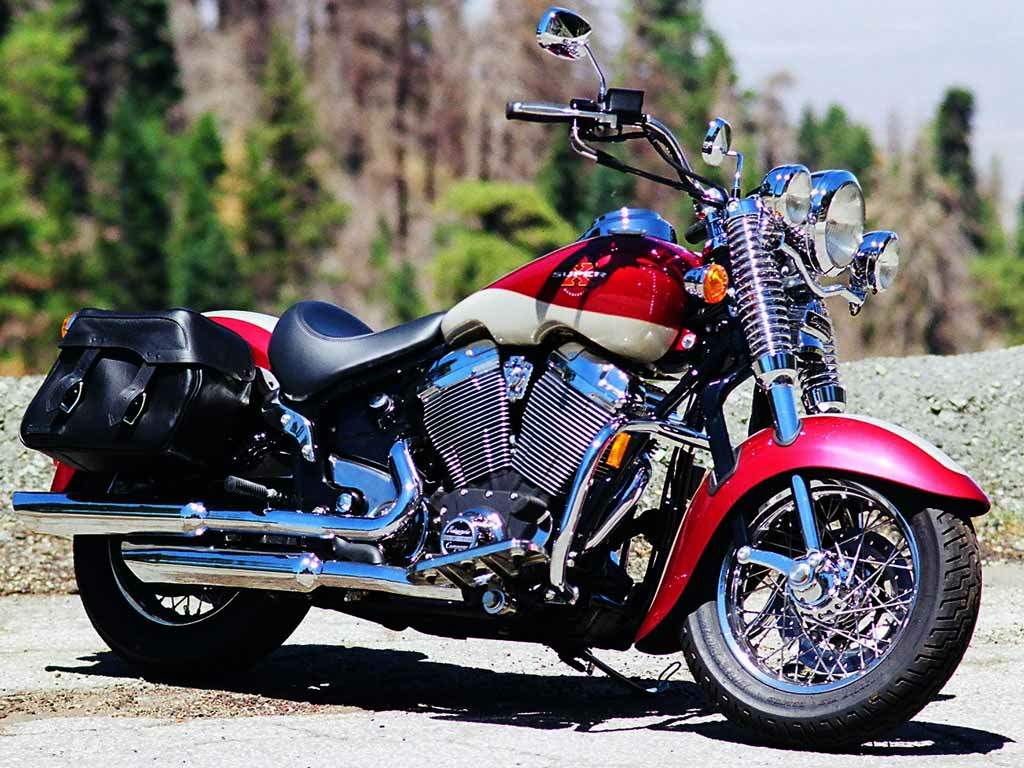
4. Excelsior Henderson Super X

The Excelsior Henderson has a long motorcycle culture history in the U.S. The Excelsior Henderson made a daring comeback with the Super X in the late 1990s. The Super X was a big V-Twin and an old-school cruiser bike. It was expected to attract the Harley audience. However, there came reliability and many fit and finish issues. The price was also very high, considering it was an untested brand and a new build.
The big motorbikes made by the major bike makers must have the ability to support their look with good performance. Unfortunately, the Super X failed to do so. The sales did not pick up.
Excelsior Henderson followed other dead motorcycle brands in a few years, proving that even a popular brand can die when the revival models are more of a marketing gimmick than an actual bike. The Super X is proof that a poorly built bike can kill the brand.
#5
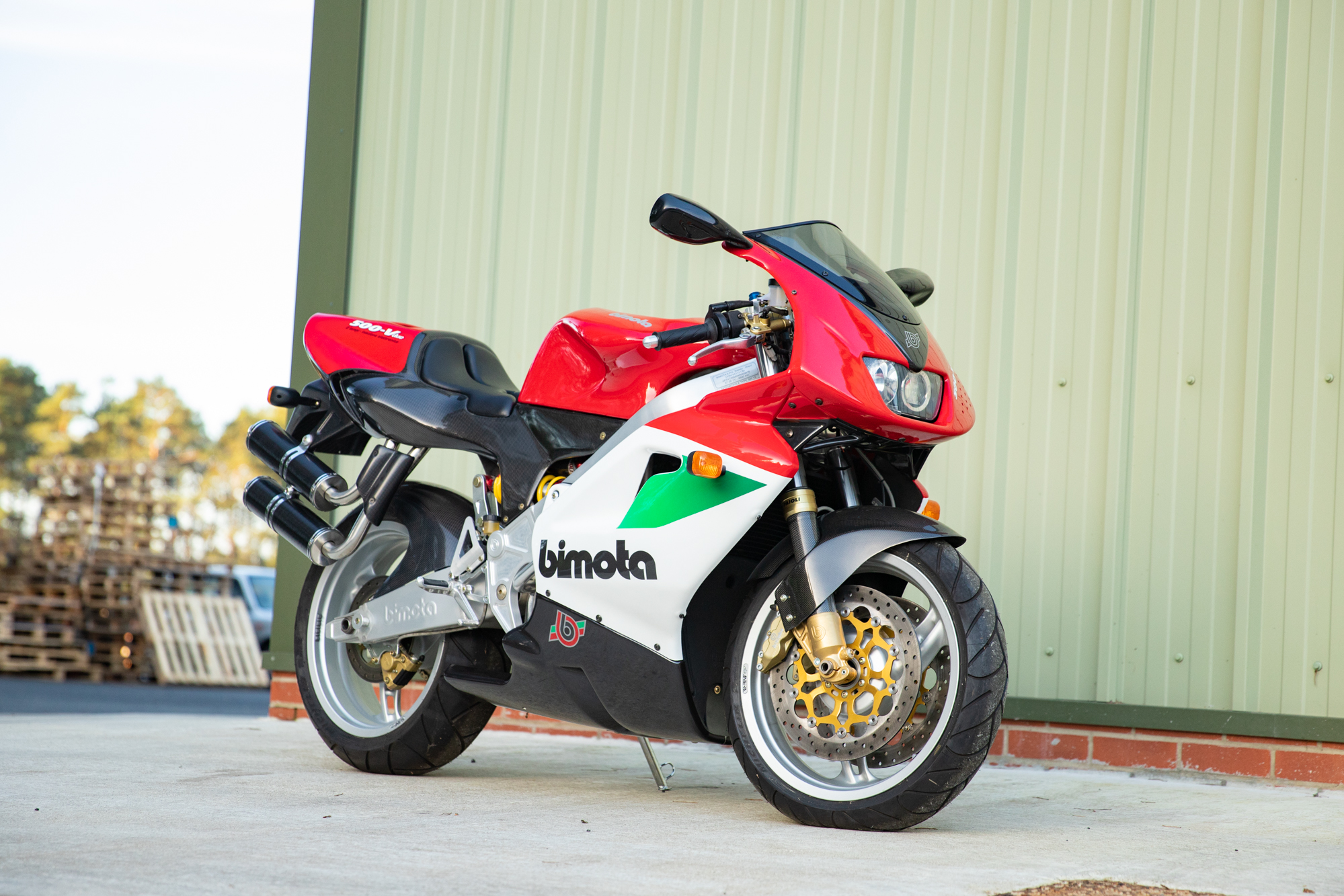
5. Bimota V-Due 500

Bimota was a reputable Italian motorcycle company. The brand produced high-performance motorcycles for professional riders. However, in the late 1990s, the brand came almost to its death courtesy of the Bimota V-Due 500. This star motorbike had an improved two-stroke engine with a fuel injection, which was a step ahead at that time. Nevertheless, the practical application revealed many issues with the bike. These include:
The fuel injection system was not very reliable.
The engine was also not so smooth as a result.
The Bimota V-Due 500 was also difficult to operate.
The bike was subjected to failure easily.
The V-Due soon acquired a bad reputation instead of being a flagship model for the brand. Almost every unit had to be recalled, and the company was losing money on expensive repairs. The sales shrank further, and the brand’s image suffered a massive blow. In the case of Bimota, the V-Due was not only a failed model but also the reason for coming close to bankruptcy.
The moral of the story is quite simple: one bad decision and bad engineering can be the death of a brand. The Bimota V-Due 500 failed to deliver what it claimed.
#6
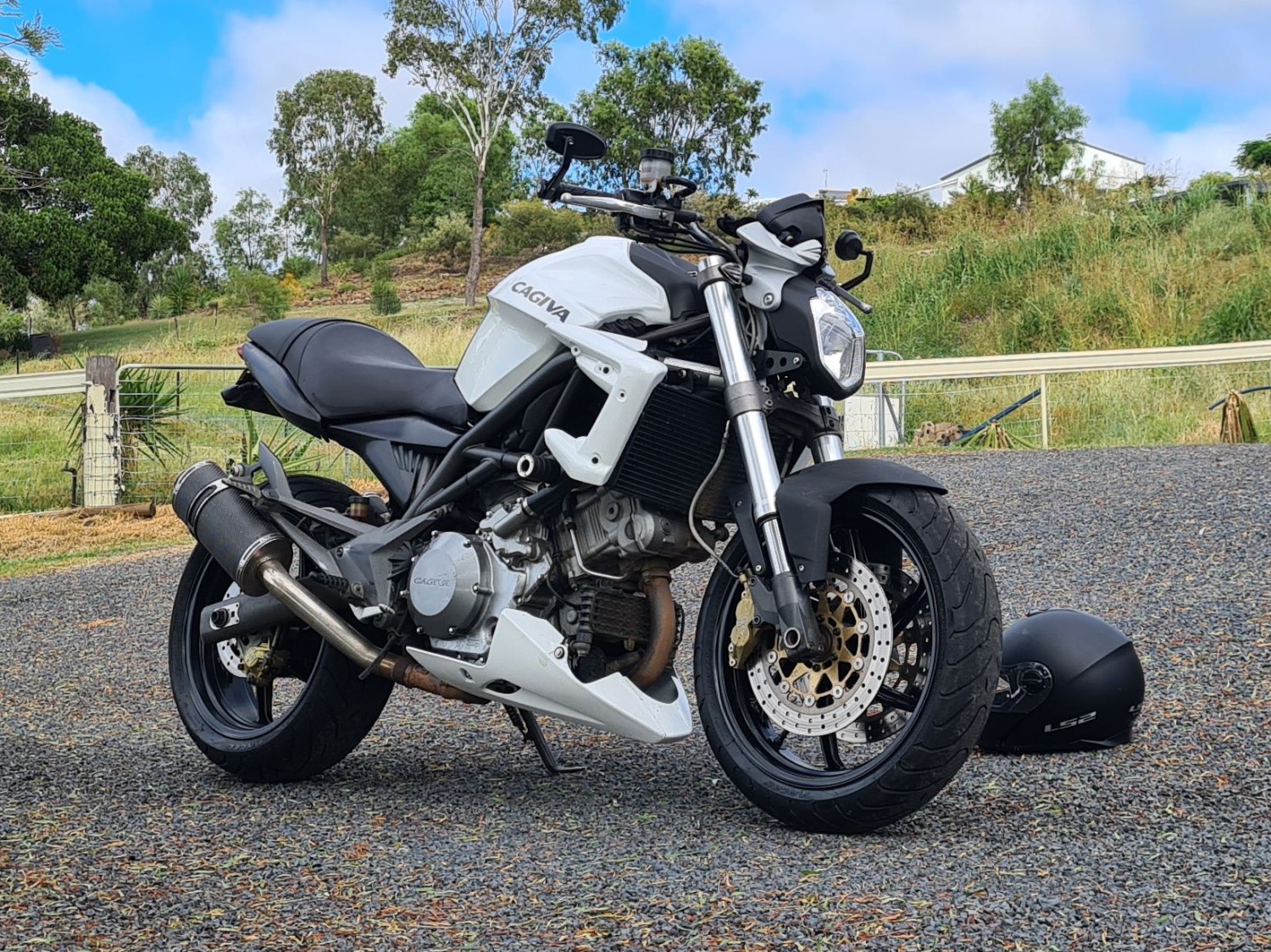
6. Cagiva Raptor

Cagiva had a desire to challenge the best streetfighters in Japan using the Raptor. The Cagive Raptor was a naked bike that was powered by the Suzuki V-Twin engine and had a sleek look. The idea was to combine the Italian style with the trusted Japanese technology.
The Raptor was a product that came out with a lot of hype, but it was short-lived. It was sold as a new, trendy bike, which had poor brand recognition and service in the U.S.
Parts were in short supply, and Cagiva lost its stake in an attempt to expand too rapidly. This caused dissatisfied owners and loss of brand loyalty. The Raptor did not make itself any different than the crowd. Within a short duration of its release, Cagiva was out of the scene in the U.S.
The Cagiva Raptor turned out to be damaging the brand more than it was being beneficial. Similar to numerous other motorcycle brands in history. Cagiva shows that one motorcycle can lead the brand to bankruptcy due to its inability to satisfy the demands of buyers.
#7
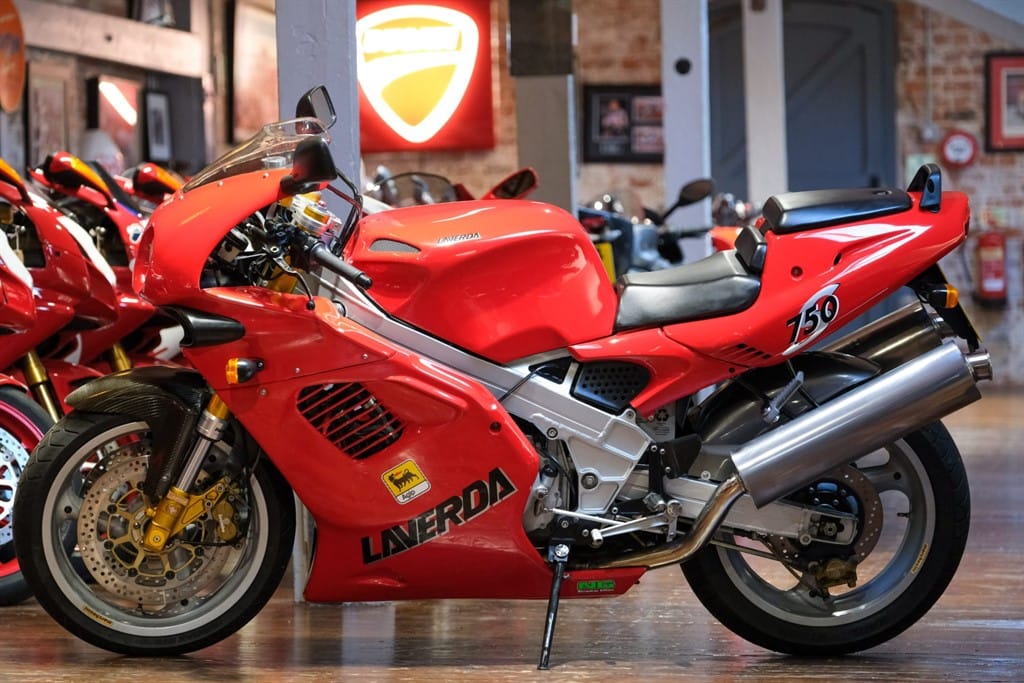
7. Laverda 750 S

Laverda was a household name in the European classic motorcycle world and among old-school riders. This bike was to assist Laverda in regaining the lost ground in the 1990s. It was made into a sporty machine with its trademark triple-engine.
However, when it came, the Laverda 750 S was old-fashioned, heavy, and inferior to other motorcycles of the leading brands. Problems such as inadequate handling, low-quality parts, and sluggish nature were part of it. Riders hoped that the glory days of Laverda were back, but the bike was not able to live up to the status of a star as promised.
Sales never took off. This failed to achieve its goal and made Laverda cease production of motorcycles. The Laverda 750 S shows how fast a formerly proud brand can sink. Even a single out-of-shape bike is enough to bury a well-established brand.
#8
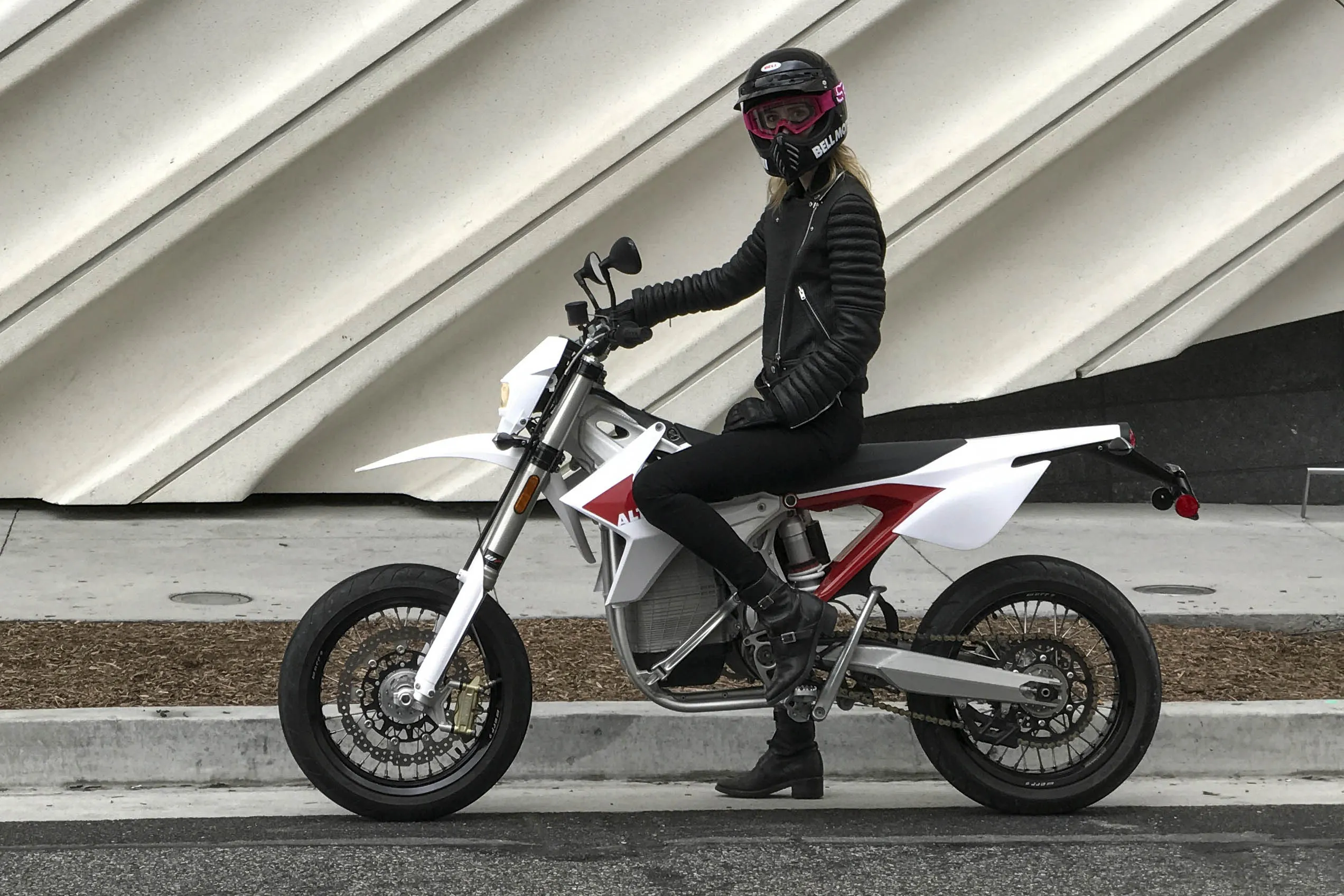
8. Alta Motors Redshift

Alta Motors made an attempt to make a big jump with the Redshift. It was an all-electric dirt bike. The Altra Motors Redshift initially became noticeable because of its smooth ride and quick power. However, the range and its out-of-the-box cost were its main demerits. The American off-road riders were not willing to trust electric bikes from such a small brand.
Altas continued to seek buyers, but failed badly. There wasn’t any support for the brand. The Redshift failed, and shortly after, Alta Motors closed down, failing to compete in a competitive market with large bike producers. Even though some riders praised it as a dirt bike of tomorrow, the cons of the Alta Redhisft prevented the brand from emerging as a powerful one.
With the already competitive landscape, any wrong move could have killed a brand in the process of finding its niche and space in the market. This is what happened with Alta Motors.
#9
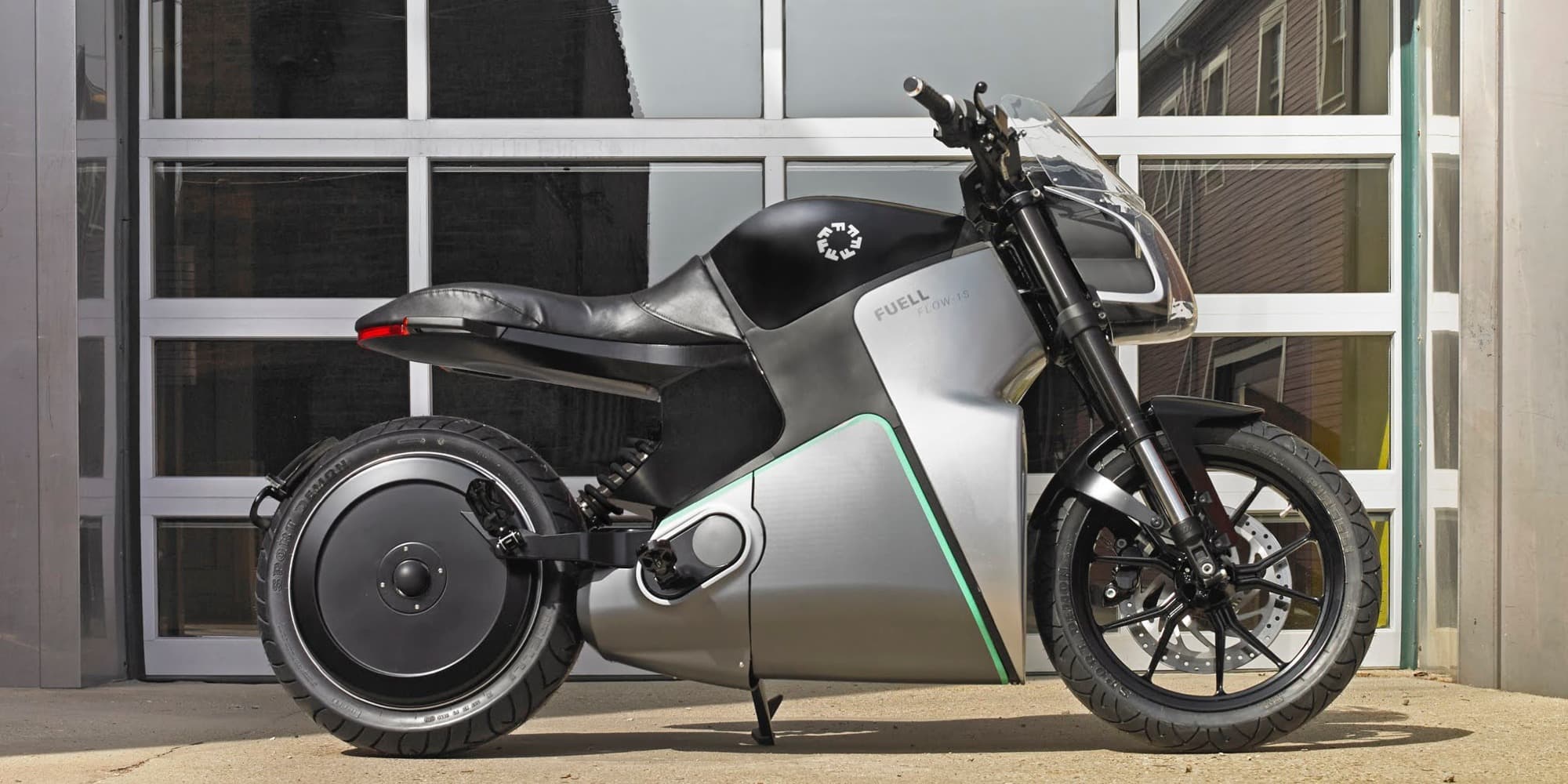
9. Fuell Fllow

The Fuell Fllow was launched as a new concept to provide city riders with a high-speed, long-range electric bike. The Fllow was built with the help of legendary bike engineer Erik Buell and was intended to be ideal for commuters.
There were strong hopes from the Fuell Fllow to grow quickly in the electric bike market. But the bike had to go through some serious blows. Though the specs were appealing on paper and in advertisements, the late production, lack of enough support, and high prices led to the decline of interest in the U.S. market.
Customers continued waiting for their orders and got disappointed due to the delays. The uncertainty of the company's support was quickly spreading. Fuell failed to secure a good position in the emerging market of electric bike brands.
As a result, the Fllow did not simply drop, but dragged the brand down with it. Another example of the way one over-hyped motorbike model ruined what seemed to be a company of the future is the Fuell Fllow.
#10
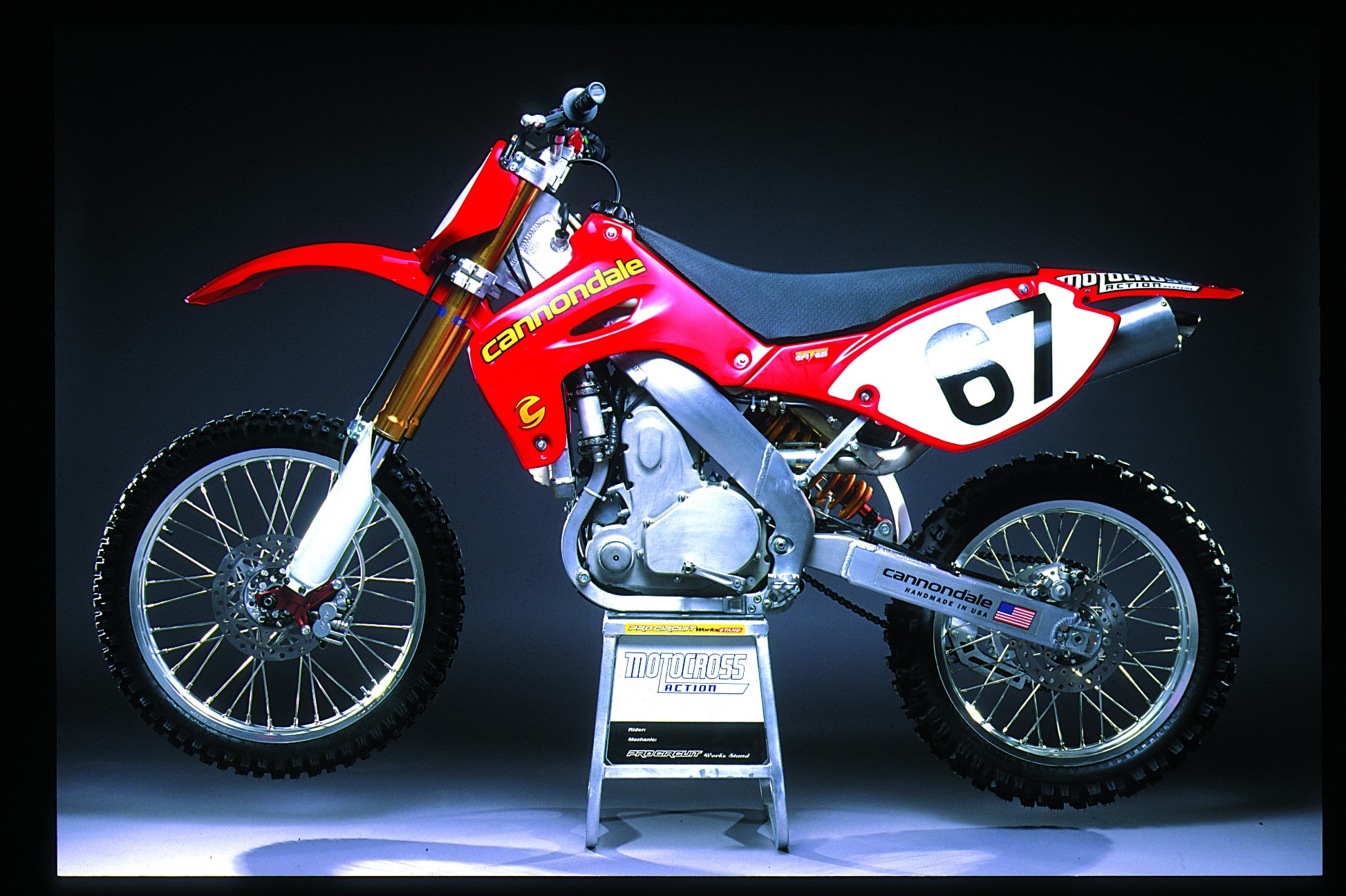
10. Cannondale MX400

The all-new Cannondale MX400 was intended to enter the off-road bike market, which has stiff competition. The MX400 was furnished with advanced tech that had never been witnessed before, such as an alloy frame, reversed cylinder, electric start, and fuel injection. Nevertheless, the bike was hurried to the market with many defects, such as engine problems, a faulty fuel system, and an awkward ride feel.
The U.S. riders find the Cannondale MX400 difficult to maintain and unreliable, which is fatal in the dirt bike business. Advertising, which made the MX400 dirt bike look like a star bike, was a deception to buyers. This reaction was very poor on the part of the riders and the media, and as a result, Cannondale incurred massive losses.
The company did not take long before it went under, and the dream of its motorcycles was lost. The MX400 can be regarded as an example of the fact that even the most renowned personalities in different spheres must admit what the market desires. Otherwise, face the threat of being a forgotten brand among the bike makers.
#11
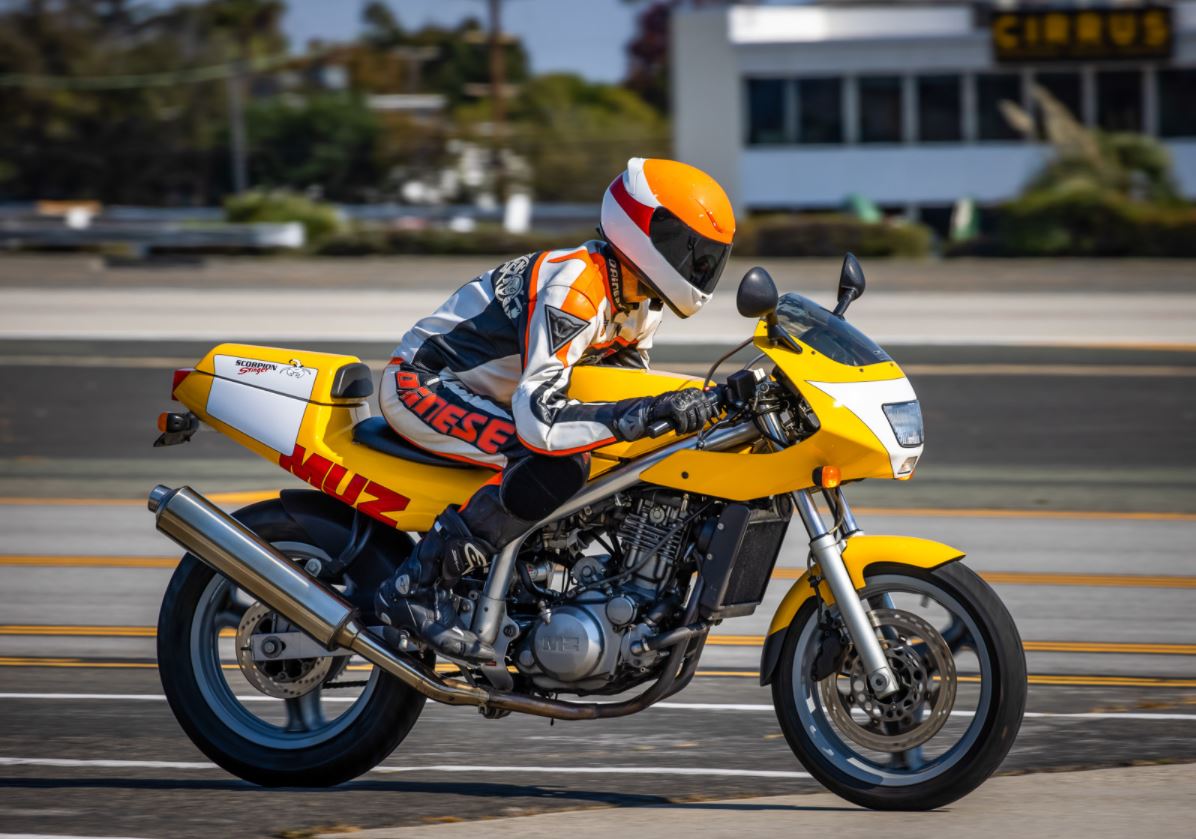
11. MZ Skorpion

MZ, a renowned German motorbike maker, wanted to make a revival in the 1990s with the Skorpion. This bike was powered by a reputed Yamaha engine and a light frame, which offered it a benefit. However, the MZ Skorpion had odd looks. It was also incapable of shedding the past of MZ of producing low-end, low-cost bikes.
The U.S. consumers desired power and good brand prestige. However, the MZ Skorpion lacked both. It did not attract riders. Meanwhile, the competing bike makers were ahead with either cheaper or more exciting bikes. MZ Skorpion became another star bike that killed its own brand. The low sales forced MZ to leave the U.S. market. The story of the Skorpion is proof that one mediocre bike may be all it takes to put a decades-old bike maker out of business.
#12
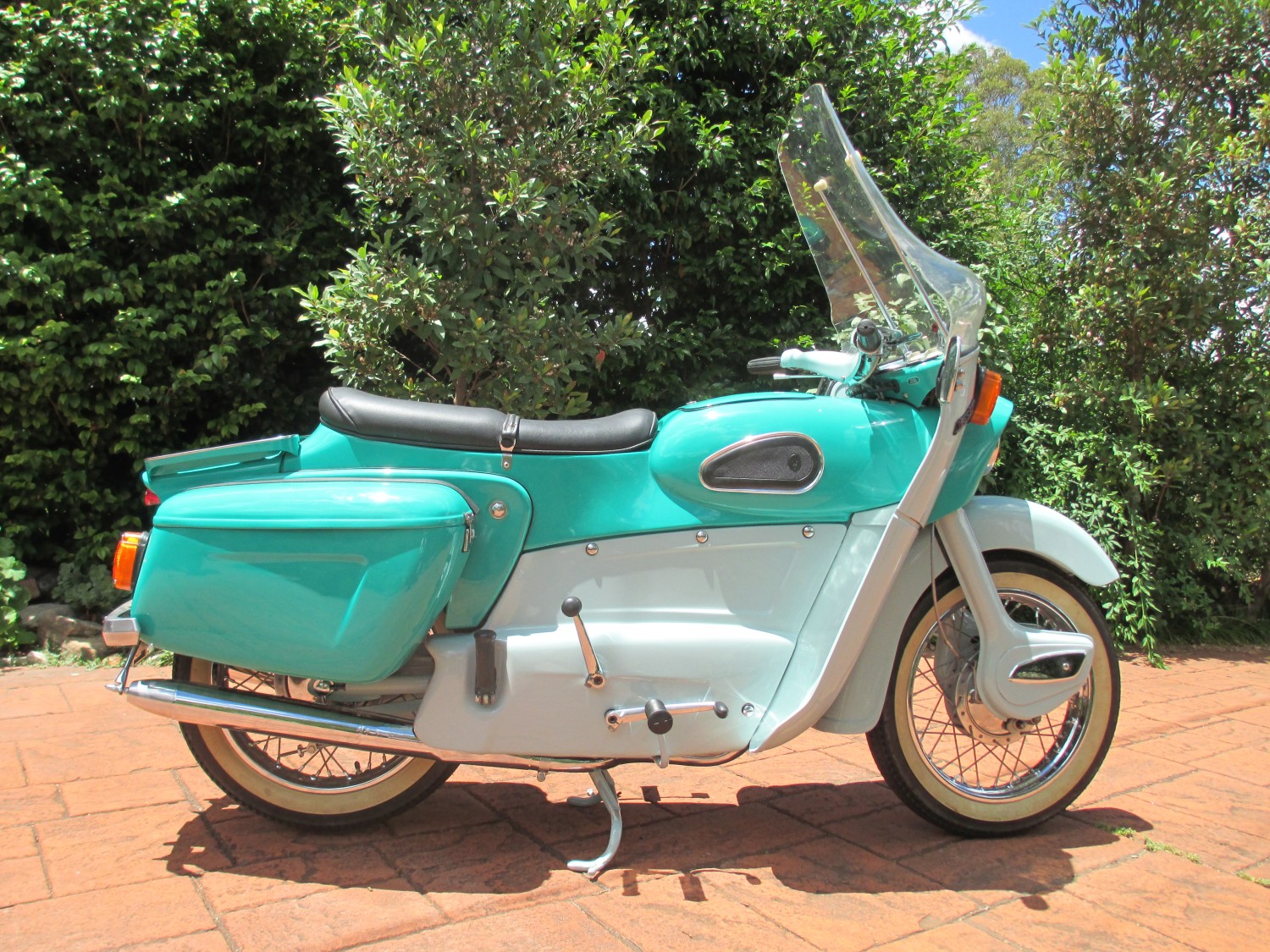
12. Ariel Leader

The Ariel motorcycle brand had a strong presence in Britain and had deep origins. It attempted to achieve broader popularity in the late 1950s in the form of the Ariel Leader. This bike was a combination of both the bike and the scooter that was designed to appeal to new urban riders.
The Ariel Leader was a pressed-steel frame, full-bodied bike that came with comfort features that were not found on most bikes at that time. However, these features did not appeal to the real bikers. The Ariel Leader was not considered a real motorcycle by riders. Instead, it was more like a scooter.
On the other hand, even the scooter buyers didn’t get this bike, because it wasn’t a proper scooter either. The formerly profitable Ariel brand soon lost both old and new customers. The company has lost its sales, and it cannot bounce back.
Eventually, Ariel shifted to building cycles as its sole products. It became one of the dead brands of motorcycles. The Ariel Leader served as a lesson to the brand. If the manufacturers lose the core customers and do not attract new ones, a single bike model can bring an end to the story of a proud motorcycle brand.




Leave a comment
All comments are moderated before being published.
This site is protected by hCaptcha and the hCaptcha Privacy Policy and Terms of Service apply.