Table of Content
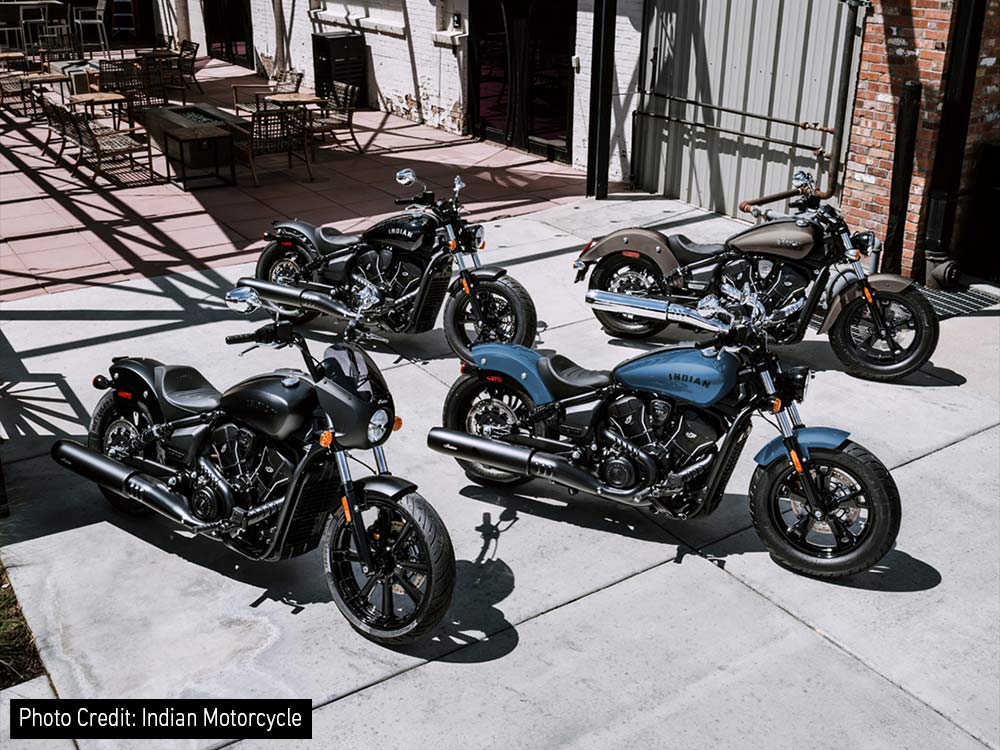
The New Indian Motorcycle CEO, Mike Kennedy, has clear plans about the brand’s future. The focus will remain on classic Indian cruisers and touring bikes. The brand has clarified: Riders will not be able to see small, entry-level Indian bikes in the near future. The new CEO is steering Indian in the same direction, and beginner bikes do not fit into the plan.
This is news that is coming as Indian enters into a new chapter. The brand has recently been separated from Polaris. It is currently owned by Carolwood. Kennedy, the new leader of Indian, is willing to narrow down on what Indian can do best.
1. A Laser Focus on Indian’s Core Strength

The vision that Kennedy has is straightforward, yet firm: Do what works. Indian Motorcycle will continue to focus on cruiser bikes, baggers, and touring bikes. These are the bikes that put the brand on the map, and Kennedy doesn’t want to lose track of them. According to Kennedy:
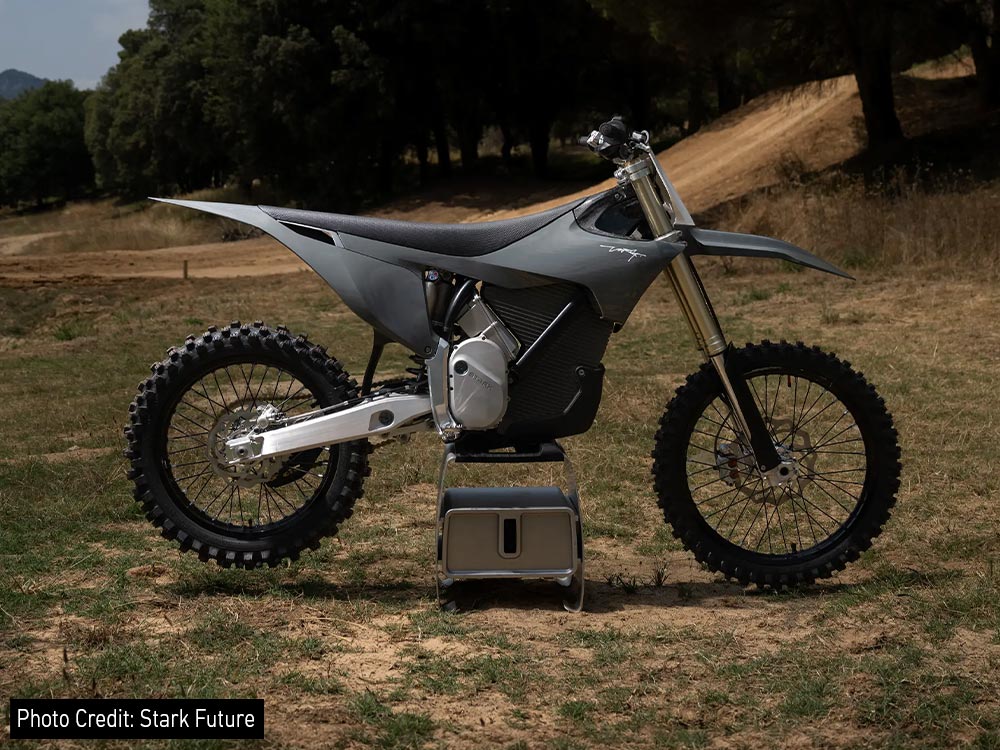
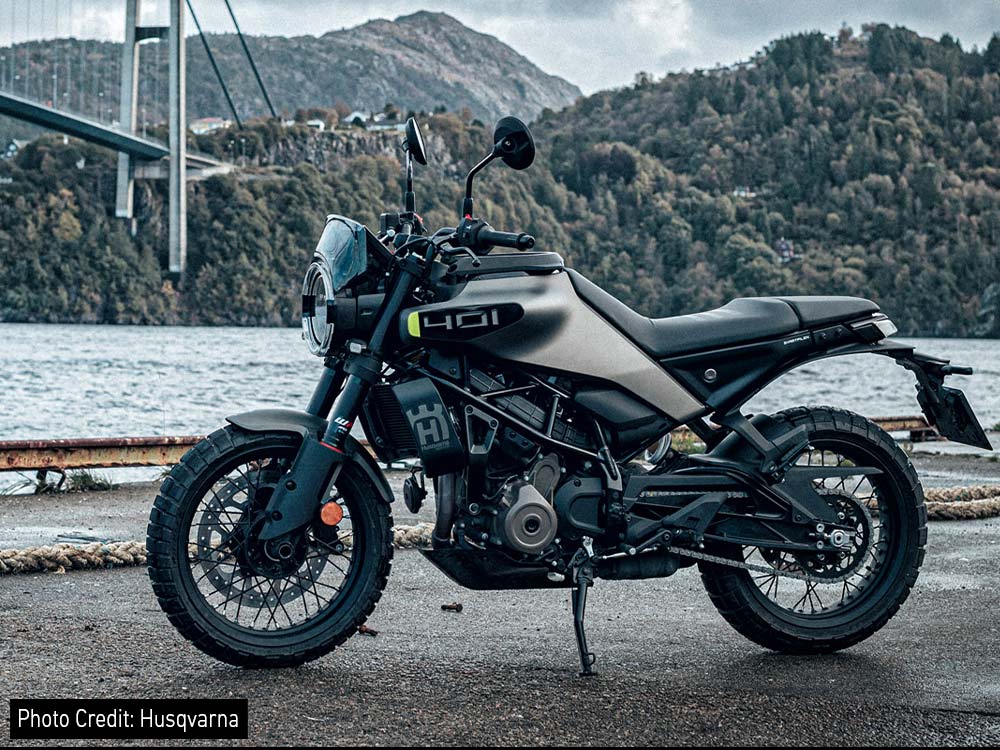
“We’re going to be laser-focused. People ask me, ‘Are you going to get into electric? What about small bikes? What about adventure bikes?’ All that is fair game down the road, but our product strategy out of the gate is cruisers, baggers, and touring bikes.”
The change from being a part of a big firm to a single, standalone firm has changed the game. Indian is no longer a part of the $12 billion company with 10,000 employees. It has become a 900-member team that can only think of a single thing: Motorcycles.
"That concept is underappreciated. Our team now has one thing to worry about: motorcycles, the dealers that sell them, and making sure we're taking care of our riders."
2. Why No Entry-Level Indian Bikes in the Near Future?
There are riders who may question why Indian is not making smaller, cheaper bikes to attract new riders. Meanwhile, Kennedy has clear reasons.
To begin with, the market data tells a good story. In 2025, the US cruiser bike market fell by 6.5%, but Indian brands gained market share in both the touring and cruiser segments. Even without the cheap beginner bikes, the brand is doing well.
"When I analyze the market, it is not a factual statement to say that only the $6,000 bikes are the ones selling. That just isn't true. And again, we have a bike that sells for under $10,000, which is a very accessible bike
Secondly, Kennedy perceives entering the entry-level bikes segment as a distraction. It will divert the focus and resources from bikes, where India can actually win.
"If I could do everything under the sun, would I want a $6,000 bike that's on a smaller-built frame with a 650cc or 750cc? Of course I would," he said. "But that will be a distraction for this company."
The CEO indicates that the mid-weight and big cruiser bikes, baggers, and touring segments have a massive potential to expand. What is the point in pursuing a new market when there is plenty of share to be had in those where Indian is already strong?
3. Indian Bikes May Not Be for Everybody: The Size Factor

There is a real-life explanation for why some riders will not be compatible with an Indian bike. Kennedy shared a story of his daughter, who was a motorcycle-licensed nurse. She tried to sit on and ride the Indian 101 Scout and was not able to manage it.
"She's a small-framed human being, right? And she can ride a motorcycle. But there's no way she's riding that 101 Scout. It's way too much physical of a bike for her. So we're not the answer for her, sadly."
Instead of making Indian a brand to serve all riders, Kennedy prefers that it be an aspirational brand. It has to be a brand that riders aspire to get one once they become skilled.
4. Pre-Owned Indian Bikes As a Gateway
Kennedy refers to the pre-owned Indian bikes as the entry point for new riders who would like to become a member of the Indian family.
"One thing that we don't talk a lot about, as an OEM, we don't talk a lot about it, but the pre-owned product is a great gateway for riders into the brand."
It can allow new riders to access the Indian bike and world at a low cost without the brand needing to develop new entry-level models.
5. Looking to the Future of Indian Motorcycle
Kennedy knows that the global motorcycle market is evolving. The market is becoming increasingly competitive with new rivals coming up. Therefore, Indian must remain competitive.
"There are great competitors emerging globally. We have to be conscious of that dynamic. For me, the strategy is as much about the lanes we choose to be in as it is about what we choose not to be."
The brand is already performing well in major global bike markets, such as Mexico and Germany. Europe, in general, is of great concern to the brand's future strategies.
Kennedy is not forever eliminating new types of bikes and models. He does not like the word never as he says. However, in the short term, the current Indian strategy will not be changed.
"Quite frankly, there have been distractions over the last five or six years with this brand trying to do too much," Kennedy said. "I'm fully convinced that when we focus on those segments, we'll speed up the edge we already have."
6. The Bottom Line
The new direction of Indian Motorcycle is quite clear. Indian is going to focus on its cruisers, baggers, and touring bikes for now. No entry-level Indian bikes are on the way. There are no side projects. The brand is focused on the best that it does.
To Indian fans, it is a brand that understands its DNA and adheres to it. To the new riders who may want to begin with a cheap, small Indian bike, they first need to look at what they can get on used Indian bikes and then upgrade to a new Indian once they are ready.
"At the end of the day, when we lay out our product strategy, we're focused on our DNA, our styling cues."




Leave a comment
All comments are moderated before being published.
This site is protected by hCaptcha and the hCaptcha Privacy Policy and Terms of Service apply.