Table of Content
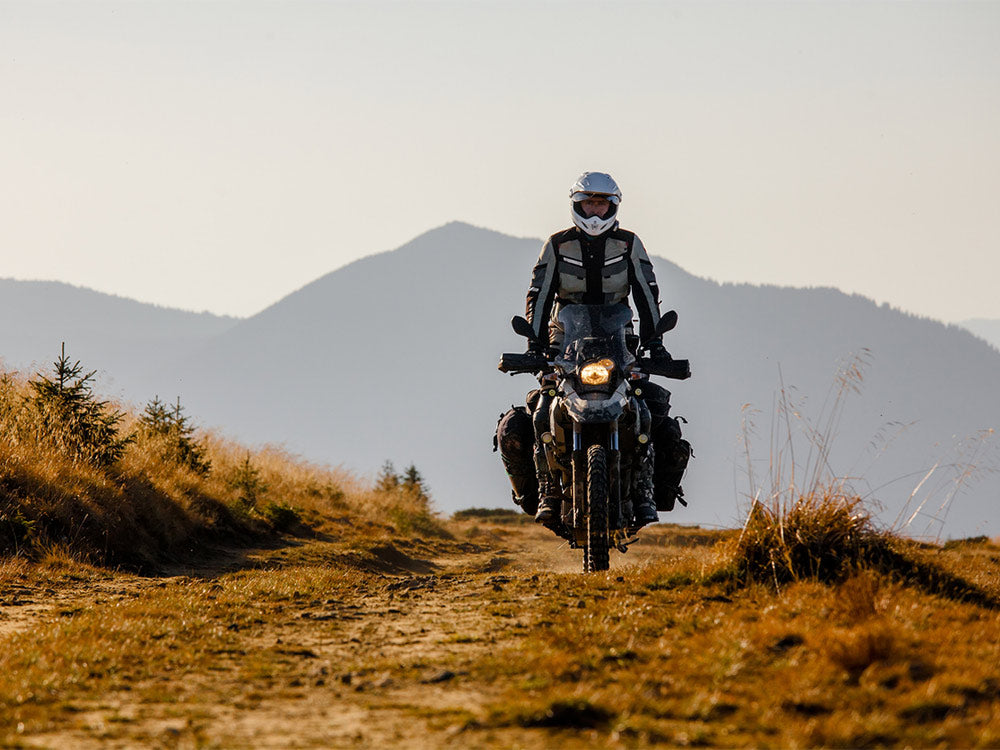
Gravel roads aren’t easy for riders, and they can make any rider skip a beat. The loose rocks, the way your adventure bike glides under your body, and the ever-changing traction make for a new and tricky ride experience at first. The good news, however, is that through proper riding techniques and practice, you can attain ride control on gravel roads. Once you master it, it becomes one of the most enjoyable and exciting aspects of adventure motorcycle riding.
Whether you're a beginner in adventure bike riding or just looking to improve your skills, this guide will provide the best advice on mastering gravel road control. Let us analyze the essential tricks that will improve your control and build your trust in loose gravel roads.

1. Reasons Why ADV Riding on Gravel Roads Feels Different
When you initially land on the gravel road on your adventure motorcycle, the bike begins to move unexpectedly. The front wheel wanders. The rear tire slides a bit. You grab your bars, and they react differently. This will feel quite weird if you are used to riding only on paved roads.
The thing is, you will come to realize that this is normal on gravel roads. Your bike is finding its way forward on the gravel. The motorbike has no intention to fall. It desired to remain upright and continue moving forward. As you get used to it and understand what is happening, riding on gravel roads will become easier.
The trick is to avoid struggling with the bike. Let the bike do its thing. Do not push it. Instead, lead the bike through the gravel road if you want to become a pro ADV rider.
2. Set Your Speed for ADV Gravel Road Control
You have the speed control as your initial resort on gravel roads. You must know how to control your speed in difficult riding situations. You must slow down if you are riding on unfamiliar roads. Determine the speed at which you feel comfortable riding your ADV bike without losing control.
Hard braking is difficult on the gravel. When you stop too quickly, because you are going too fast, it can be sketchy. So are the sharp turns on the loose road. They will not provide you with the grip you get on the paved roads.
Start slow. You will only learn over time. You will know when to accelerate and when to slow down. One of the most common errors ADV riders make while riding on gravel is to ride too fast. Remember! Braking is not the same on the gravel. So, watch out before going fast.
With that said, do not go too slow either. Your bike needs a decent forward push to stay stable on gravel. As you creep along, you will feel every bump and risk losing traction. Find the sweet spot, where you're not too fast to lose stability, but not too slow to maintain control.
3. Stand Up on Your Pegs to Achieve Control on Gravel Road
One of the most crucial adventure motorcycle riding tips that you will ever acquire is standing up on the pegs. Several good things happen when you stand on the pegs:
One, your legs start acting as the shock absorbers. They absorb the bumps and keep the bike running around under you. This allows the ride to be smoother and offers more control over the bike.
Second, standing on the pegs while off-roading or riding on the gravel road reduces the center of gravity towards the foot pegs. This increases the stability of your adventure bike on rough roads. When you sit, your weight shifts higher, closer to the seat, which makes the bike less stable.
Third, when you stand on the pegs, you get a better view of the terrain ahead. You can look a long way down the trail and see trouble before it comes to your face.
3.1 How to Stand on the Pegs
You have to place the balls of your feet on the pegs, and not your arches or heels. Make sure that your knees are bent slightly and your elbows straight. Do not crouch. You should be in a relaxed, yet a stance that keeps you ready at all times. Also, keep your arms and legs flexible to absorb any bump or obstacles that comes your way.
When riding on a gravel road, you must be standing approximately 80-85% of the time. Whenever you get a chance to ride on a relatively smoother track, use this time to sit and relax while riding.
Must Read: Why and When to Stand on Your Motorcycle
4. Master Your Body Position for Better Gravel Road Control
Your body position plays a huge role when riding on gravel. The rider’s body position influences the handling of the bike and the traction that is experienced.
To gain traction while accelerating, drop your heels. This shifts a greater weight to the back tire. The biggest error most riders commit is to flex their knees forward and squeeze the bike with their legs, leaving minimal weight on the pegs. This reduces the grip of the rear tires, making it difficult to accelerate.
Place the balls of your feet on the pegs while turning your toes in. On giving it gas, lower your heels further. This fixes your feet, providing a tight and stable hold on the bike. It prevents the rear end from slipping when you do not want it to.
In the case of taking a turn on gravel, a method known as counter leaning is used. This implies that you maintain a more upright posture as you lean the bike under you. Unlike street bike riding, you are expected to stay more upright while leaning the bike.
Why counter lean? Since it holds your weight above the contact patch of the bike, where your bike tires are in contact with the ground. This provides more traction on loose surfaces. Steer the bike using your knees and feet. Place the weight on the outer peg to improve the bike's grip.
5. Use Smooth Throttle Control to Ride on Gravel Road
While riding on gravel roads, riders must avoid sudden turns and changes in throttle. If you twist the throttle too hard, the rear wheel will spin, and you will not have traction. The same thing happens with throttle chopping. When you close the throttle too quickly, you may lose the bike's balance.
The key thing here is to use a smooth throttle control. While riding on the gravel, riders must accelerate gradually. Allow the rear wheel to get some grip. In case you have to reduce speed, take off the gas slowly. Put your throttle hand to a fine point. You should maintain some sort of momentum; you do not even want to spin the rear tire loose.
When dealing with sand or extremely loose gravel, maintaining momentum is even more crucial. You may get stuck if you reduce the speed too low. The secret is to maintain a consistent throttle position and keep the bike going.
Must Read: Which Bike Is the King of Adventure?
6. Look Where You Want to Go While Riding on Gravel Road
One of the most crucial motorcycle riding skills, on and off-road, is setting your head and vision at the right place. When it comes to adventure bike riding, you go where your eyes go. This is often termed as target fixation. When riding on a gravel road, always have your eyes up and look forward.
Don’t start staring or fix your target on the ground right in front of your wheel. If you do, you will not be able to see any rocks, ruts, logs, or turns that may cause you to lose control.
Do not restrict your vision. Look ahead at the rugged paths at a distance of 10-15 feet. On more swift parts, look farther ahead. Search for the smoothest track, which is the line with the best surface. Take small, slow steps on the most stable surface, avoiding deep gravel piles that could wash off the front wheel.
Always focus on where you want to go, not what you want to avoid, when riding on gravel roads. Instead, look at the most clear way around the hurdle.
When taking turns on gravel roads, look at the corner where you wish to exit. Do not look down at the ground or turn your eyes to the side of the road. Believe in your vision to lead you.
7. Get Your Braking Right While Riding on Gravel Road
Braking on the gravel road is a pretty delicate process that requires a good sense of balance. You cannot take a handful of brake, as you can on the pavement.
Apply both the front and rear brakes. However, you should do this softly. Hitting the brakes hard will cause the wheels to lock up, and you will lose control in a matter of seconds. In gravel, many riders use the rear brake more than they do while street riding.
Always keep a finger on your front brake lever to be ready to slow down. But, gently and gradually pull the lever. Allow the brake to load up the front suspension and also put weight on the front tire. This provides a greater front-end traction.
In the case of the rear brake, you can overuse it on gravel. There are even riders who lock the rear wheel intentionally when stopping. They use this technique to change the direction of the bike on gravel. Such riders use the rear wheel sliding on purpose to take sharp corners effectively. So, in case the rear wheel gets locked and the bike moves sideways, don’t panic. The front wheel will take the bike in the direction it is facing, regardless of the rear wheel.
In instances where you have to make a quick stop in gravel, you have to shift your weight to the back of the rear wheel. Look up to find a safe path. Lock the rear wheel by stomping the rear brake and then gradually pull in the front brake. If the front wheel starts to wash away, press the front brake slightly harder and then release it. The key is to stay smooth. No hard braking unless really needed.
8. Relax Your Grip to Improve Gravel Road Control
Gripping the handlebars too tightly is one of the biggest gravel riding errors. When you ride your bike over gravel, the first thing that comes to your mind is to grip harder. It comes naturally. However, you must not do it.
You start fighting with the bike when you grip the bars so hard. This is also called the death grip. It causes pain in your shoulder and arms if you hold on to the bars with a death grip for a long time. It can cause you to lose control of the bike and can cause fatigue in no time.
Instead, stay loose on the motorbike. Have a light, but firm grip on your handlebars. Make use of your arm muscles. However, keep them flexible and relax your shoulders. Take a deep breath in case you are getting tense.
Whether you are riding a dirt or an ADV bike on the gravel road, it will start sliding. This is what happens on the gravel. So, don’t worry. Let it move beneath you. The more relaxed you are on your bike while riding on gravel road, you will be in a better control.
Keep your two fingers on the front brake lever and two fingers on the clutch lever. Grip the bars with your remaining fingers. This put you in command of the bike controls.
9. Choose Your Lane and Stay Off the Middle
Tracks left behind by cars, trucks, and ATVs are common on most gravel roads. These are some good tracks to follow. However, beware of deep ruts. The deep ruts have a way of catching the front wheel, and steering becomes difficult.
Look for the smoothest path on the gravel road. As said, you can follow the tire tracks, but not always. There is also a loose gravel pile in the center of the gravel road, which you must avoid. It is not advisable to ride in the middle or anywhere if it appears to be too loose. Gravel roads are full of twists, and you may come across a surprise at any time. Losing traction while riding on the gravel road is common.
While riding your ADV bike on the gravel road, avoid harsh movements to stay on the ground. Continue to scan the gravel track ahead to plan your course.
10. Keep Your Motorcycle Tire Pressure Optimal for ADV Gravel Road Riding
Tire pressure is another very crucial factor to ride safely on ADV gravel roads. However, the definition of optimal tire pressure while off-roading on gravel roads varies. Off-road riding is done with slightly lowered tire pressure by most riders. Reduced pressure exposes more rubber to the ground in contact. This, in turn, provides better traction and makes the ride stable on a gravel road.
In the case of the majority of adventure motorcycles, you may even drop your bike’s tire pressure by 5-10 PSI from your street pressure to ride on gravel roads. However, you must not go too low. The adventure bikes are heavy, and overly low tire pressure may result in damage to tires and wheels.
The correct tire pressure varies with your weight, your bike’s weight, your gear, and the nature of the gravel you are riding on. Begin with a small drop in the tire pressure and see how it feels. It is always possible to change according to what suits you.
There are ADV off-road riders who believe that the lower the better with the off-road. However, this is not the case with big bikes. The low tire pressure on a heavy adventure motorbike may damage performance and result in flat tires. Keep within the specifications of your bike manufacturer's recommended limit.
11. Handle Turns With Care While Riding ADV Gravel Road
Turning on a gravel road is quite different from turning corners on the paved roads. You cannot apply the same technique here on the gravel.
First, decelerate before coming to the turn. You should get your speed correct prior to the lean, but not during the turn. When in the middle of a gravel turn, make sure to avoid two things: hard braking and sudden throttle changes. Both of these things can cause you to lose control or slide out.
Then, you should look at where you want to go while riding on the gravel. Avoid looking at the edge or where the loose gravel is.
On entering the turn, apply the counter-steering technique. Hold your body in an upright position. Allow the bike to lean under you, with you being in the center of the bike.
Balance the bike by putting some weight on the outside foot peg. Use side knobs on your tires because they are designed to offer better grip while leaning as compared to the center tread.
Keep it smooth and avoid jerky moves during the turn. When exiting the corner, roll on the throttle to get the bike going.
In case the rear tire slightly skids, there is no need to panic. It is normal on the gravel. The bike will be where the front wheel is pointing.
Must Read: 10 Best Lightweight Adventure Motorcycles
12. Practice Hard to Become a Pro At ADV Gravel Road Control
To become a pro at riding the gravel, the best method is to keep practicing the skill. Identify a secure place, such as an open field, where you can safely practice riding on gravel. You can also practice the basics by riding in an empty parking lot. Get yourself trained to ride the ADV bike while standing on the pegs. Get trained to shift your body weight both forward and backward. Learn how to provide more traction to the bike’s tires. It initially appears frightening but is entertaining over time.
13. Common Mistakes to Avoid While ADV Riding on the Gravel Road
Below is the recap of what are known to be the common mistakes to avoid while riding on the gravel road:
Avoid looking down.
Avoid sitting on the bike while riding on the gravel.
Avoid a tight grip.
Avoid riding at excessive speed while riding on the gravel.
Avoid sudden maneuvers.
Avoid sudden changes in throttle.
Avoid reducing the tire pressure of a heavier ADV bike below a certain limit.
Avoid riding in the center of the gravel track (piles of gravel).
Avoid neglecting the variations in terrain.
14. Final Thoughts
Managing the gravel road boils down to the following essential tips when it comes to ADV motorcycle riding:
Maintain a reasonable speed.
Stand on the pegs.
Maintain upright body posture while leaning the bike.
Maintain smooth throttle and braking action.
Look where you want to go.
Loosen your grip.
Practice hard.
Learning ADV gravel road control may seem pretty difficult at first, but you will start enjoying it once you get used to it. These steps are also very effective in learning this skill. Trust the process, trust the bike, and trust yourself.
Adventure riding is about going to extremes and visiting new destinations. A large portion of that adventure is made up of gravel roads. Using these gravel riding tips, you will be well prepared to overcome any dirt road that you will face.



Leave a comment
All comments are moderated before being published.
This site is protected by hCaptcha and the hCaptcha Privacy Policy and Terms of Service apply.